Boost Alpharetta Curb Appeal: Pro Landscaping & Lawn Care Tips That Sell Homes Faster
TL;DR
If you’re preparing to sell your home in Alpharetta, Georgia, don’t overlook the power of your front yard. A healthy lawn, neatly defined landscape beds, colorful plants, a welcoming entryway, and well-maintained walkways can create a strong first impression before buyers ever step inside. Start by choosing grass that fits your yard’s sunlight and maintenance needs, then focus on proper mowing, watering, fertilizing, and aeration. Add fresh mulch, clean up overgrown areas, improve the front entrance, and repair visible hardscape problems. Whether you choose affordable weekend projects or larger landscaping investments, thoughtful curb appeal improvements can help your property look more inviting and move-in ready.
Why Curb Appeal Matters in Alpharetta
When potential buyers arrive at your home, your front yard is one of the first things they notice. In a competitive Alpharetta real estate market, those first few seconds can influence how buyers feel about the entire property.
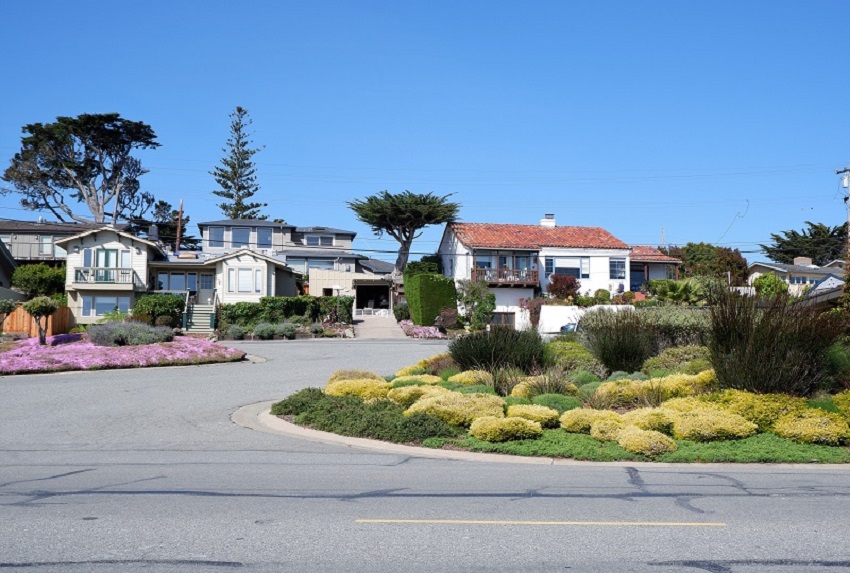
A well-maintained lawn and attractive landscape communicate pride of ownership. Clean edges, healthy grass, trimmed shrubs, and an inviting entryway can make the home feel cared for before a buyer even opens the front door.
Strong curb appeal can also help your property stand out from nearby listings. When several homes offer similar features, a polished exterior can give buyers another reason to remember yours.
That doesn’t mean you need to completely redesign your yard before putting your home on the market. Often, a combination of smart lawn care and targeted landscaping improvements can make a noticeable difference.
Know Your Grass: Choose the Right Type for Your Yard
Alpharetta is located in Georgia’s transition zone, which means both warm-season and cool-season grasses can be suitable depending on the conditions in your yard. The best choice depends on factors such as sunlight, foot traffic, soil conditions, and how much time you want to spend on maintenance.
Bermuda Grass
Bermuda grass is a strong option for areas that receive plenty of direct sunlight. It performs well in heat and handles foot traffic effectively, making it useful for active lawns.
For the best results, Bermuda generally needs at least seven hours of direct sunlight. One thing homeowners should remember is that it goes dormant during winter, which means the lawn can turn brown during colder months.
Zoysia Grass
Zoysia grass creates a dense, attractive lawn and can tolerate partial shade better than Bermuda. Its thick growth can also help create a more uniform appearance and resist weeds.
Zoysia does establish relatively slowly, so patience is important when getting it started. Once established, however, it can provide the lush appearance many homeowners want when improving curb appeal.
Tall Fescue
Tall Fescue is especially useful for shadier sections of an Alpharetta property, including areas beneath mature trees. Unlike warm-season grasses, Fescue can remain green throughout the year.
The tradeoff is that Tall Fescue requires additional attention during Georgia’s hot and humid summers. Proper watering and maintenance are important for keeping it healthy.
Evaluate Your Yard Before Choosing
Walk around your property at different times of day. Pay attention to areas receiving full sun, partial sunlight, and deep shade.
Then match the grass type to the conditions in each area. Choosing the right grass for each zone can help you create a healthier, more attractive lawn while avoiding unnecessary maintenance problems.
Lawn Care Essentials for a Lush, Green Yard
A beautiful landscape starts with a healthy lawn. Even the most attractive flower beds and hardscape features can lose their impact if the grass is patchy, overgrown, or poorly maintained.
A consistent lawn care routine can keep your property looking neat and welcoming throughout the year.
Mowing Tips for a Healthier Lawn
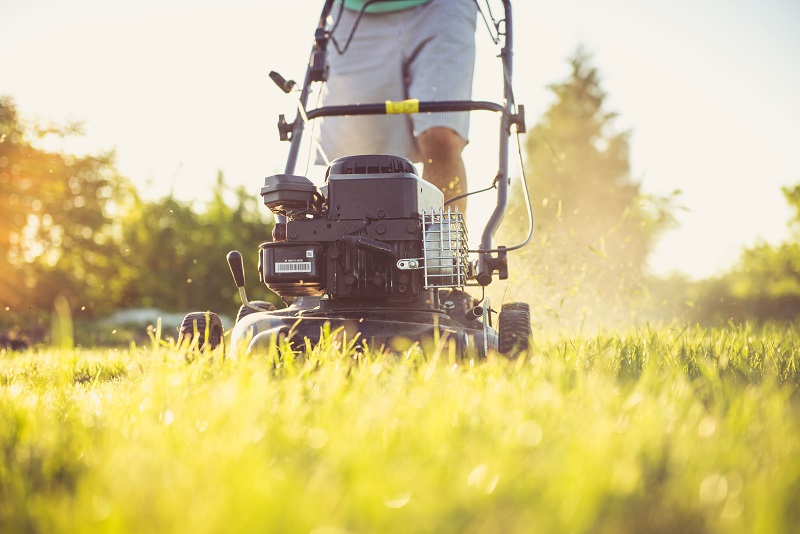
Mowing correctly is about more than keeping grass short. Cutting at the proper height helps protect the lawn from unnecessary stress and supports healthier growth.
Keep these mowing practices in mind:
- Mow warm-season grasses such as Bermuda and Zoysia to approximately 1 to 2.5 inches.
- Keep Tall Fescue slightly taller, at around 3 inches, to help reduce heat stress.
- Never remove more than one-third of the grass blade during a single mowing.
- Keep mower blades sharp so they make clean cuts instead of tearing the grass.
- Avoid mowing when the lawn is excessively wet whenever possible.
A consistent mowing routine can make your lawn look cleaner while supporting its overall health.
Watering Wisely
Watering your lawn properly is another important part of maintaining curb appeal. Too little water can leave grass stressed and discolored, while excessive watering can contribute to other lawn problems.
For many lawns, a target of about 1 inch of water per week, including rainfall, is a useful guideline.
Whenever possible, water early in the morning. Cooler temperatures and reduced evaporation allow more water to reach the soil and roots.
For landscape beds, consider using soaker hoses or drip irrigation. These options can deliver water directly to plants while helping reduce unnecessary water use.
Fertilizing and Aeration
Your lawn also needs proper nutrition and healthy soil conditions to grow well.
Warm-season grasses such as Bermuda and Zoysia generally benefit from fertilization during late spring and summer when they are actively growing. Cool-season grasses such as Tall Fescue benefit from fall fertilization.
Alpharetta properties may also have compacted clay soil, which can restrict drainage and make it more difficult for roots to access water and nutrients. Aerating compacted soil once a year can help improve drainage and encourage stronger root growth.
Landscaping Ideas That Wow Buyers
Once your lawn is healthy, turn your attention to the landscape details that frame the property.
You don’t necessarily need a complete landscape renovation. Instead, concentrate on high-visibility areas such as the front yard, walkway, driveway, and entryway.
These areas have a direct impact on how buyers perceive your home from the street.
Fresh Mulch and Clean Edges
Fresh mulch is one of the simplest ways to give landscape beds a cleaner, more finished appearance.
Consider applying a 2 to 3 inch layer of mulch to flower beds. This can create a uniform appearance while helping the beds look freshly maintained.
Edging is another small improvement with a noticeable visual effect. Define the borders around flower beds and walkways to create crisp, clean lines.
Dark brown or black mulch can also provide a strong contrast against green plants and colorful flowers, helping the landscaping stand out.
Colorful, Low-Maintenance Plants
Plants can add color, texture, and personality to your front yard. When preparing a home for sale, however, prioritize plants that are appropriate for Georgia’s climate and reasonably easy to maintain.
Consider these options:
- Choose native or adapted plants that can thrive in local conditions.
- Add seasonal color with annuals such as petunias, marigolds, or impatiens.
- Use evergreen shrubs to provide year-round structure.
- Arrange plants thoughtfully rather than overcrowding beds.
- Keep mature plants trimmed so they do not block windows, walkways, or the front entrance.
A balanced landscape can make the property feel welcoming without creating the impression that buyers will inherit a high-maintenance yard.
Upgrade Your Entryway
The front entrance deserves special attention because it is where buyers transition from the exterior to the interior.
A few relatively simple updates can make the entrance feel more welcoming:
- Paint the front door a bold, inviting color.
- Replace outdated house numbers.
- Install a stylish mailbox that complements the home.
- Add solar path lights or attractive lanterns.
- Keep the porch and entrance clean and clutter-free.
- Add a seasonal wreath or new welcome mat for a finishing touch.
These details may be small, but together they can create a stronger first impression.
Hardscape and Walkway Upgrades
Landscaping isn’t limited to plants and grass. Hardscape features such as driveways, walkways, patios, and sitting areas also contribute to curb appeal.
Start by addressing anything visibly damaged or neglected.
- Repair cracked driveways and walkways.
- Consider decorative concrete or pavers for a more modern appearance.
- Add a small sitting area or porch with outdoor furniture.
- Keep paths clear and easy to navigate.
- Clean hard surfaces so they look maintained and inviting.
A well-designed walkway can naturally guide buyers toward the front door while adding function and visual appeal to the property.
Budget-Friendly Curb Appeal Quick Wins
You don’t need a large landscaping budget to make your home look better. Several affordable improvements can be completed over a weekend and still create a noticeable difference.
Try these simple projects:
- Power wash the siding, walkways, and driveway.
- Trim overgrown shrubs and tree branches.
- Pull weeds from flower beds and lawn areas.
- Remove dead or unhealthy plants.
- Add a fresh coat of paint to exterior trim and shutters.
- Refresh mulch in tired-looking beds.
- Hang a seasonal wreath.
- Replace an old welcome mat.
- Clean outdoor lighting fixtures and visible exterior surfaces.
These projects are especially useful if you’re preparing to list your home and need quick improvements without committing to a major renovation.
Higher-Impact Landscaping Investments
If you have more time and budget available, larger improvements can give your property a more substantial transformation.
Consider investing in projects such as:
- New sod: Installing sod can create an instant, uniform lawn when existing grass is thin, damaged, or inconsistent.
- Professional irrigation: A professionally designed irrigation system can provide more consistent watering throughout the property.
- Stone or brick walkway: A quality walkway can add a more premium look while improving access to the entrance.
- Small trees or large shrubs: Strategic plantings can provide maturity, structure, shade, and additional visual interest.
Before making a major investment, focus on improvements that complement the existing architecture and neighborhood rather than creating a landscape that feels out of place.
Seasonal Lawn and Landscape Care for Georgia’s Climate
Alpharetta experiences hot, humid summers and relatively mild winters. Your lawn and landscape needs change throughout the year, so seasonal maintenance is important.
Spring
Spring is the time to prepare your landscape for active growth.
- Apply pre-emergent weed control.
- Fertilize as appropriate for your grass type.
- Overseed or repair bare spots when suitable.
- Clean up winter debris.
- Refresh mulch and landscape beds.
Summer
Georgia summers can put significant stress on lawns and plants.
- Water deeply and consistently.
- Mow regularly while following proper cutting heights.
- Monitor plants for pests and disease.
- Keep landscape beds free of weeds.
- Watch for signs of drought or heat stress.
Fall
Fall is especially important for cool-season lawn care.
- Aerate compacted soil.
- Fertilize cool-season grasses.
- Address thin or bare lawn areas.
- Plant bulbs that will provide color in spring.
- Clean up fallen leaves and debris.
Winter
Winter maintenance helps keep the property neat while preparing for the next growing season.
- Keep landscape beds tidy.
- Prune dormant trees when appropriate.
- Remove dead or damaged plant material.
- Inspect hardscape features for repairs.
- Plan landscaping improvements for the coming year.
A seasonal approach helps keep your property looking cared for instead of waiting until you are ready to sell to address everything at once.
How Landscaping Improvements Can Help You Sell Faster
Buyers in Alpharetta and the greater Atlanta area often look for homes that feel move-in ready. A clean, healthy lawn and attractive landscape can help create that impression before the buyer enters the home.
Curb appeal also influences the perceived condition of the property. When buyers see a well-maintained exterior, they may naturally expect the home itself to have received similar attention.
That is one reason real estate professionals often recommend landscaping improvements before listing. Improvements to the lawn, planting beds, entryway, and hardscape can make listing photos more appealing and create a stronger experience for buyers visiting the property in person.
The goal is not necessarily to spend the most money. Instead, focus on visible improvements that make the property feel clean, cared for, welcoming, and ready for its next owner.
A Simple Curb Appeal Plan for Alpharetta Homeowners
If the list of potential projects feels overwhelming, break the work into manageable steps.
Step 1: Clean and Declutter
Start by removing weeds, dead plants, debris, and unnecessary items from the front yard.
Step 2: Improve the Lawn
Mow correctly, address bare areas, remove weeds, and make sure your grass is receiving appropriate water.
Step 3: Refresh Landscape Beds
Add fresh mulch, define the edges, and replace plants that are dead or struggling.
Step 4: Improve the Entrance
Clean the front door, refresh the paint if needed, update house numbers, and add simple lighting or decorative details.
Step 5: Address Visible Repairs
Repair cracked walkways, damaged hardscape, or other exterior issues that buyers are likely to notice.
Step 6: Consider Professional Help
For larger landscaping projects, irrigation installation, sod replacement, or complex lawn care needs, consider working with a local Alpharetta landscaping professional who understands the area’s soil, grass types, growing conditions, and property expectations.
Start Improving Your Alpharetta Curb Appeal Today
You don’t have to transform your entire yard in one weekend. Start with one or two projects that will have the greatest visual impact.
Fresh mulch, neatly edged beds, healthy grass, trimmed shrubs, colorful flowers, and a welcoming entrance can all make your property feel more attractive and cared for. If your home needs larger improvements, professional lawn care and landscaping services can help you create a cohesive outdoor space that looks its best when buyers arrive.
Whether you are planning to sell soon or simply want your home to make a better first impression, investing in your lawn and landscape is a smart place to begin. Give your Alpharetta property the curb appeal it deserves, and create an exterior that makes buyers eager to see what is inside.
This post is generated by Chatgpy.