Top Landscaping Trends and Ideas for Alpharetta Properties in 2026
TL;DR
Looking to refresh your Alpharetta yard in 2026? The biggest landscaping trends focus on creating outdoor spaces that are attractive, practical, water-conscious, and easier to maintain.
Here are the key ideas to consider:
- Use native and drought-tolerant plants suited to North Georgia.
- Replace unnecessary lawn areas with xeriscaped planting beds.
- Create comfortable outdoor living rooms and kitchens.
- Add layered privacy planting with shrubs and evergreens.
- Upgrade irrigation and drainage for Georgia’s clay-heavy soil.
- Choose permeable hardscapes and functional retaining walls.
- Install layered outdoor lighting for safety and ambiance.
- Design dedicated spaces for children and pets.
- Consider Alpharetta’s HOA requirements before making major changes.
- Start with high-impact projects that fit your budget and lifestyle.
A successful landscape is not simply about making your yard look good. It should work with the local climate, soil, drainage, and the way your household actually uses the property.
Introduction: Give Your Alpharetta Yard a 2026 Upgrade
Your yard is more than a patch of grass surrounding your home. It can be the first thing guests notice, a place to unwind after work, a setting for weekend gatherings, or an extension of your indoor living space. A thoughtfully designed landscape can also contribute to your property’s overall appeal and long-term value.
For homeowners in Alpharetta, however, creating the right landscape takes more than choosing attractive plants from a garden center. Local conditions matter. Hot summers, periods of drought, heavy red clay soil, drainage challenges, and neighborhood HOA requirements can all influence what works best.
Fortunately, the latest landscaping trends for Alpharetta properties in 2026 are moving toward designs that combine beauty with practicality. Homeowners are choosing plants that can handle local conditions, reducing unnecessary lawn areas, investing in outdoor living spaces, and using smarter approaches to irrigation, drainage, lighting, and privacy.
The result is a yard that looks polished while requiring less unnecessary maintenance.
Whether you are planning a complete landscape renovation or simply want to improve one area at a time, these landscaping ideas can help you create an outdoor space that fits your property and lifestyle.
1. Choose Native and Drought-Tolerant Plant Beds
Native plants continue to be a popular landscaping choice, and they make particular sense for Alpharetta homeowners. Plants that are naturally adapted to Georgia conditions can be better equipped to handle heat, seasonal changes, and periods of limited rainfall once they become established.
Native and drought-tolerant planting beds can also provide valuable habitat for pollinators while reducing the amount of ongoing watering required.
Plants to Consider
Depending on your specific site conditions, options can include:
- Purple coneflower
- Black-eyed Susan
- Butterflyweed
- Native asters
- Switchgrass and other native grasses
- Yaupon holly
- Wax myrtle
- Virginia sweetspire
The goal is not to fill every available space with plants. Instead, group plants according to their sunlight and moisture requirements. This makes maintenance easier and helps prevent some plants from receiving too much or too little water.
Make Clay Soil Work Better
Alpharetta properties may have heavy red clay, which can create drainage and root-development challenges. Adding organic matter such as compost can help improve soil structure. Expanded shale may also be considered where appropriate.
Native and adapted planting choices, combined with proper soil preparation, can create a landscape that is both attractive and more resilient.
Ideal for: Busy homeowners, eco-conscious gardeners, pollinator-friendly landscapes, and anyone who wants to reduce watering and plant replacement.
2. Create Smaller, Smarter Lawns With Xeriscaping
A huge lawn can require considerable mowing, watering, fertilizing, and general upkeep. In 2026, many homeowners are taking a different approach by keeping quality turf where it serves a purpose and converting unused areas into lower-maintenance landscape zones.
This does not mean eliminating grass entirely.
Instead, think about how your family actually uses the yard.
Keep Grass Where It Matters
Turf can remain useful for:
- Children’s play areas
- Pets
- Outdoor games
- Lounging
- Open spaces around patios
Areas that are rarely used can become planting beds, groundcover zones, mulched areas, or permeable hardscape.
Make Irrigation More Efficient
Drought-tolerant turf varieties can reduce water demands. Smart irrigation controllers and rain sensors can also help prevent unnecessary watering.
Rather than watering frequently for short periods, homeowners can work toward deeper, less frequent watering when appropriate for their plants and soil.
Ideal for: Families who want usable lawn space without spending every weekend maintaining grass.
3. Build an Outdoor Living Room or Kitchen
Why stay indoors when your backyard can function like another room?
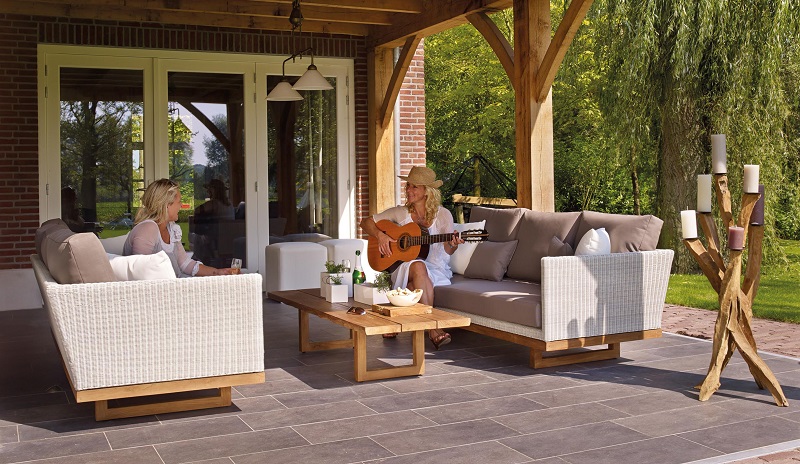
Outdoor living spaces are among the most appealing landscaping ideas for Alpharetta properties in 2026. Covered patios, comfortable seating areas, fire features, and outdoor kitchens can transform an ordinary yard into a destination for relaxing and entertaining.
Alpharetta’s spring and fall weather can make these spaces especially enjoyable.
Popular Outdoor Living Features
Consider incorporating:
- Covered seating
- Ceiling fans
- Outdoor-rated lighting
- Grill stations
- Small refrigerators
- Bar areas
- Fire features
- Comfortable weather-resistant furniture
The key is to design the space for real-life use rather than simply creating something that looks impressive in photographs.
Plan for Georgia Weather
Shade is important during hot weather. Drainage also needs attention, especially around patios and structures. Select materials designed to withstand outdoor exposure, humidity, and temperature changes.
Think about how you will move between your kitchen, patio, lawn, and other outdoor areas. Good landscaping design should make the entire property feel connected.
Ideal for: Entertainers, families, food lovers, and homeowners who want to expand their usable living space.
4. Add Privacy With Hedges and Layered Planting
A completely open yard can leave your property feeling exposed. Instead of relying exclusively on fences or walls, consider layered landscaping to create a natural privacy screen.
A combination of shrubs, evergreens, trees, and plants at different heights can soften property boundaries while helping block unwanted views.
Plants for a Layered Privacy Design
Depending on the site and desired appearance, homeowners may consider:
- Loropetalum
- Boxwood
- Holly
- Crape myrtles
Rather than placing every plant in one uniform row, vary the heights and spacing. This can create a more natural appearance while giving the landscape additional visual depth.
Think About Mature Plant Size
One common landscaping mistake is planting shrubs too close together or too close to a house. A small plant may look perfectly sized when installed, but it can quickly outgrow its location.
Check the expected mature size and allow adequate room for growth.
Also, review your HOA requirements before planting tall hedges or making changes near property boundaries.
Ideal for: Street-facing properties, home offices, corner lots, and homeowners who want additional privacy without creating a solid wall.
5. Upgrade Irrigation and Drainage
Water management is one of the most important considerations for an Alpharetta landscape. Heavy clay soil can hold moisture around plant roots, while hot summer weather can increase water demand.
That means a good system needs to address both too little water and too much water.
Smart Irrigation Upgrades
Potential improvements include:
- Smart irrigation controllers
- Weather-based sensors
- Rain sensors
- Drip irrigation for planting beds
- Separate watering zones for different plant needs
Watering in the early morning can also help make irrigation more effective.
Before adding more water, check the soil beneath the mulch. A surface that looks dry does not always mean the root zone needs immediate watering.
Solve Drainage Problems Early
Low areas that collect water may need additional drainage solutions. Depending on the property, options can include French drains or dry wells.
Proper grading is also important. Water should be directed away from the home’s foundation rather than allowed to collect beside it.
Ideal for: Water-conscious homeowners, properties with drainage concerns, and anyone interested in reducing unnecessary irrigation.
6. Use Permeable Hardscapes and Clean Retaining Walls
Hardscape design is becoming more functional and intentional. Patios, walkways, terraces, and retaining walls should not only look good. They should also work with the property’s slope and water-management needs.
Permeable pavers can be useful in appropriate applications because they allow water to move through the surface rather than relying entirely on runoff.
Retaining walls can also create usable levels on sloped properties.
Hardscape Materials to Consider
Depending on your design and property, possibilities include:
- Natural stone
- Permeable pavers
- Segmented block retaining walls
- Other materials that complement the home’s architecture
On sloped lots, retaining walls can create flatter areas for planting, seating, or lawn.
However, drainage needs to be considered before installation. Poorly planned hardscape can contribute to water pooling or drainage problems.
Ideal for: Sloped yards, contemporary landscapes, properties with drainage challenges, and homeowners who prefer clean, defined outdoor spaces.
7. Add Layered Outdoor Lighting
Outdoor lighting has evolved far beyond placing a few basic fixtures along a walkway. A layered lighting system can make your landscape safer, more attractive, and more functional after sunset.
Instead of illuminating everything equally, use different types of lighting for different purposes.
Useful Lighting Layers
Consider:
- Path lights along walkways
- Uplights highlighting trees
- Step lights for elevation changes
- Soft lighting around seating areas
- Accent lighting for architectural or landscape features
Warm color temperatures can create a comfortable atmosphere around patios and gathering spaces.
Timers and controls can also prevent lights from remaining on unnecessarily throughout the night.
Outdoor lighting is especially valuable when your landscaping is designed for evening entertaining. It allows patios, walkways, trees, and gathering areas to remain useful after the sun goes down.
Ideal for: Evening entertainers, families concerned about outdoor safety, and homeowners who want stronger curb appeal after dark.
8. Design Pet- and Kid-Friendly Outdoor Zones
A beautiful landscape should also be practical for the people and pets who use it every day.
Families are increasingly designing yards around their actual routines rather than creating spaces that are attractive but difficult to use. That means choosing durable surfaces, considering plant safety, and separating different activities into dedicated zones.
Family-Friendly Landscaping Ideas
You might:
- Choose non-toxic plants where appropriate
- Avoid thorny plants near children’s play areas
- Use durable turf in high-traffic spaces
- Add soft groundcover where appropriate
- Create a dedicated pet run
- Designate a play lawn
- Use suitable surfaces beneath swings and climbing equipment
A well-planned layout can also reduce conflicts between play areas, pet areas, planting beds, and entertaining spaces.
The goal is a yard that can handle everyday activity without constantly requiring repairs or maintenance.
Ideal for: Families with children, dog owners, and homeowners who want a comfortable, low-stress outdoor environment.
Alpharetta-Specific Landscaping Tips for 2026
Even the most attractive landscape plan can struggle if it ignores local conditions. Before beginning a project, consider these Alpharetta-specific factors.
Red Clay Soil
Heavy clay can affect drainage and root development. Improve planting areas with suitable soil amendments, including compost where appropriate.
When planting trees, pay attention to the root flare. It should be positioned at or slightly above the finished grade to help avoid problems associated with planting too deeply.
Drainage
Pay close attention to areas where water collects after rain. Proper grading can help direct water away from the foundation.
French drains or dry wells may be appropriate for certain low areas, but drainage solutions should be selected based on the property’s specific conditions.
Heat and Drought
Choose plants that are proven to handle North Georgia conditions. Once established, many drought-tolerant and native plants can require less supplemental watering than poorly matched species.
HOA Requirements
Before making major landscape changes, review your neighborhood’s rules.
HOA requirements may address:
- Fence height
- Hedge height
- Plant selections
- Front-yard modifications
- Hardscape materials
- Property boundaries
- Outdoor structures
Checking the rules before installation can save time, money, and frustration.
Budget-Friendly Landscaping vs. Splurge-Worthy Projects
You do not have to complete a full yard renovation to make a noticeable improvement. Some landscaping upgrades deliver significant visual impact without requiring a huge investment.
Budget-Friendly Ideas
Start with projects such as:
- Refreshing mulch
- Installing native plant beds
- Targeted pruning
- Improving existing planting areas
- Adding simple landscape lighting
- Installing a smart irrigation controller
These smaller projects can improve appearance and functionality while allowing you to spread larger improvements over time.
Splurge-Worthy Investments
For homeowners ready to make a larger investment, consider:
- A covered outdoor patio
- An outdoor kitchen
- Permeable hardscape
- Engineered retaining walls
- Mature privacy planting
- Comprehensive drainage improvements
The best approach is to prioritize projects that solve real problems or significantly improve how you use the property.
For example, fixing drainage may be more valuable than adding decorative features if standing water is damaging your yard. Likewise, creating a functional patio may provide more everyday value than simply adding ornamental plants.
How to Choose the Right Landscaping Trends for Your Property
Trends can provide inspiration, but your landscape should ultimately reflect your property’s needs.
Before choosing a project, ask yourself:
- How do we use the yard?
Think about entertaining, relaxing, gardening, pets, children, and recreation. - What problems need to be solved?
Identify drainage, privacy, excessive lawn maintenance, poor lighting, or irrigation concerns. - What can the property support?
Consider sunlight, soil, slope, drainage, and available space. - What does the budget allow?
Decide which improvements should happen now and which can wait. - What are the HOA requirements?
Confirm approvals and restrictions before purchasing materials or plants. - How much maintenance do you want?
A beautiful landscape still needs ongoing care. Choose a design you can realistically maintain.
This approach helps you avoid chasing trends simply because they are popular. Instead, you can select ideas that provide lasting value.
FAQ: Landscaping in Alpharetta
What plants work best in Alpharetta clay soil?
Native and adapted plants such as purple coneflower, black-eyed Susan, yaupon holly, loropetalum, and crape myrtles can be suitable choices for Georgia conditions once established. Soil preparation and proper planting are also important.
How can I reduce my water bill while keeping a green yard?
Start by reducing unnecessary lawn areas and choosing drought-tolerant turf where appropriate. Mulch planting beds, group plants according to water requirements, and consider a smart irrigation controller with rain-sensing capabilities.
Are outdoor kitchens worth it in Alpharetta?
They can be a worthwhile investment if you regularly use outdoor entertaining spaces. Alpharetta’s spring and fall seasons can provide comfortable opportunities for outdoor living. Plan carefully for shade, ventilation, drainage, and weather-resistant materials.
What is the best way to add privacy from the street?
Layered planting with shrubs, evergreens, and trees can create an attractive privacy screen. Loropetalum, holly, and boxwood are among the plants that may be considered. Always check applicable HOA height and planting restrictions first.
When is the best time to start a landscaping project in Alpharetta?
Early spring and early fall can be favorable periods for many landscaping projects. Cooler conditions can help new plants establish before they face the strongest summer heat or colder winter conditions.
How can I make my landscape easier to maintain?
Use plants suited to the local climate, reduce unnecessary lawn areas, group plants with similar water requirements, install efficient irrigation, and choose durable hardscape materials. A well-planned design can reduce unnecessary maintenance over time.
Create a Landscape That Works for You
The best landscaping trends and ideas for Alpharetta properties in 2026 are not simply about following what looks fashionable. They are about creating outdoor spaces that work with Georgia’s climate, soil, drainage, and everyday lifestyles.
Native and drought-tolerant planting can make beds more resilient. Smaller lawns can reduce maintenance. Outdoor kitchens and patios can expand your living space. Privacy planting can make your property feel more comfortable, while smart irrigation and drainage solutions can protect your investment.
You do not need to tackle everything at once. Start with the project that will make the biggest difference to your property and lifestyle, then build from there.
With thoughtful planning and the right combination of plants, hardscape, lighting, irrigation, and outdoor living features, your Alpharetta yard can become more beautiful, functional, and enjoyable throughout the year.
This post is generated by Chatgpt.