Archives June 2026

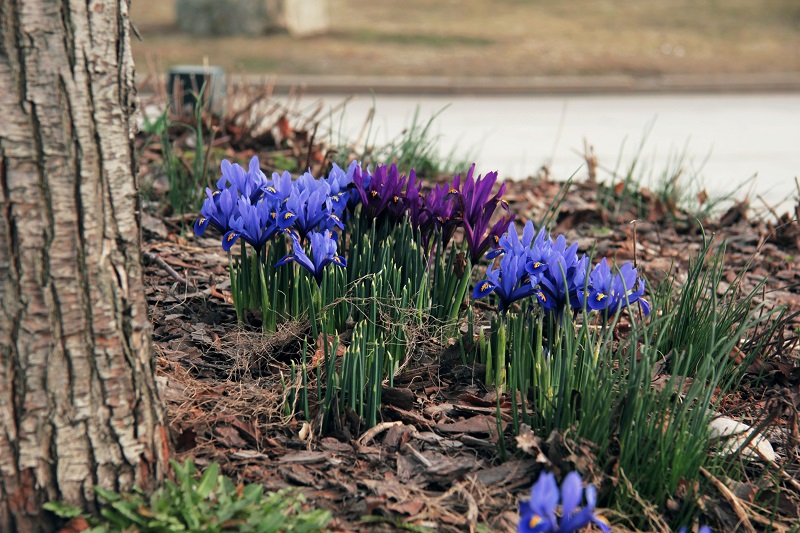
Purple iris flowers growing in a mulched garden bed, demonstrating proper mulch application for moisture retention and healthy landscaping in Alpharetta.

Mulch vs Compost: Transform Your Alpharetta Lawn for Lush, Healthy Growth

TL;DR: Mulch vs Compost for Alpharetta Lawns

Want the fastest answer?

  • Use compost on your lawn to improve soil quality, boost root growth, and help grass thrive.
  • Use mulch around trees, shrubs, and flower beds to retain moisture, reduce weeds, and prevent erosion.
  • For the best results, use both together. Compost improves what’s happening beneath the surface, while mulch protects everything above it.
  • Alpharetta’s clay-heavy soils benefit significantly from regular compost applications and proper mulching practices.

If you’re aiming for greener grass, stronger roots, and a yard that stands up to Georgia’s heat and humidity, this guide will show you exactly how to make mulch and compost work for you.

Why Mulch and Compost Matter for Alpharetta Lawns

Maintaining a beautiful lawn in Alpharetta is not always easy. Between hot summers, humid weather, heavy rainstorms, and clay-rich soil, grass can struggle to establish deep roots and stay healthy throughout the year.

That’s where mulch and compost come in.

Although they’re often mentioned together, they serve very different purposes. Understanding how each one works can help you create a healthier lawn with less guesswork and better long-term results.

Compost improves the soil itself. It adds organic matter, encourages beneficial microbial activity, and creates a healthier environment for roots to grow.

Mulch, on the other hand, acts as a protective blanket over the soil. It helps retain moisture, reduces weed growth, moderates soil temperature, and protects vulnerable areas from erosion.

When used strategically, mulch and compost can transform compacted, nutrient-poor soil into the foundation for a thriving, resilient lawn.

The Science Made Simple

You don’t need a degree in soil science to understand why these materials are so effective.

Think of compost as a nutrient-rich meal for your soil. It’s made from decomposed organic matter and contains valuable nutrients that support beneficial microorganisms. As those microbes work, they improve soil structure, increase nutrient availability, and help roots access water more efficiently.

Now think of mulch as your lawn’s protective shield. By covering the soil surface, mulch reduces evaporation, blocks sunlight from reaching weed seeds, and helps prevent soil erosion during heavy rains.

A simple way to remember it:

  • Compost feeds and improves the soil.
  • Mulch protects and preserves the soil.

Together, they make an excellent team.

When Should You Choose Compost?

Compost is often the best choice when your lawn needs improvement from the ground up.

Consider using compost if:

Your Lawn Looks Thin or Patchy

Sparse grass is often a sign that the soil underneath lacks the nutrients and organic matter needed for healthy growth. Compost can help rebuild that foundation.

You’re Overseeding

Applying a thin layer of compost before overseeding improves seed-to-soil contact, which increases germination rates and helps young grass establish more quickly.

Drainage Is Poor

Clay-heavy soils common in Alpharetta can become compacted and waterlogged. Compost helps loosen the soil structure, improving drainage and airflow around roots.

A Soil Test Reveals Low Organic Matter

If your soil test indicates poor organic content, compost is one of the most effective ways to restore balance and improve long-term soil health.

When Should You Choose Mulch?

Mulch shines when the goal is protection, moisture retention, and weed control.

It’s especially useful in the following situations:

Around Trees and Shrubs

Mulch helps tree roots stay cool and hydrated during Georgia’s hottest months.

Flower Beds and Landscape Borders

A properly mulched bed requires less watering and significantly less weeding.

Sloped Areas

Heavy rains can wash away valuable topsoil. Mulch helps stabilize these areas and reduce erosion.

Areas Near Lawn Edges

Mulch creates cleaner transitions between landscape beds and turf while reducing maintenance requirements.

Mulch vs Compost: Pros and Cons at a Glance

Mulch

Pros

  • Conserves soil moisture
  • Reduces weed growth
  • Helps regulate soil temperature
  • Protects against erosion
  • Improves landscape appearance

Cons

  • Can harbor pests if applied too heavily
  • May temporarily tie up nitrogen if mixed into soil
  • Requires periodic replenishment

Compost

Pros

  • Improves soil structure
  • Enhances nutrient retention
  • Encourages beneficial microbes
  • Supports stronger root development
  • Improves drainage in clay soils

Cons

  • Can be messy during application
  • Works best when properly incorporated or topdressed
  • Quality varies depending on the source

The Best Strategy: Use Both Together

For many Alpharetta homeowners, the best answer isn’t choosing one or the other.

It’s using both where they perform best.

Here’s a simple approach:

Start With a Soil Test

Before investing in amendments, find out exactly what your soil needs. Testing reveals pH levels, nutrient deficiencies, and organic matter content.

Improve Lawn Areas With Compost

Apply a screened compost topdressing approximately ¼ to ½ inch thick across thin or struggling turf areas.

If you’re overseeding, spread the compost first and then apply seed.

Protect Landscape Beds With Mulch

Apply mulch around trees, shrubs, and flower beds at a depth of 2 to 3 inches.

Be sure to keep mulch several inches away from trunks, stems, and plant crowns to prevent rot and disease issues.

Avoid Using Thick Mulch on Turf

Chunky mulch belongs in beds, not across established grass. If your lawn needs organic matter, compost is the better choice.

Water Thoroughly

After applying either material, water deeply to help settle everything into place and encourage biological activity.

Your Practical 5-Step Lawn Improvement Checklist

Ready to get started? Follow this simple plan:

Step 1: Test Your Soil

Check pH levels, nutrient content, and organic matter.

Step 2: Choose Quality Materials

Use screened compost for lawn applications and shredded hardwood mulch for landscape beds.

Step 3: Topdress the Lawn

Spread 0.25 to 0.5 inches of compost and lightly rake it into the grass canopy.

Step 4: Mulch Landscape Beds

Apply 2 to 3 inches of mulch while keeping it away from trunks and crowns.

Step 5: Water and Monitor

Water thoroughly and keep an eye on moisture levels during the first two weeks.

An Alpharetta-Specific Tip for Better Results

Many Alpharetta properties have dense clay soils that hold water after heavy summer storms.

This creates two common problems:

  • Soil compaction
  • Poor root development

Adding compost regularly can dramatically improve both issues by increasing soil porosity and encouraging deeper root growth.

If your lawn feels hard underfoot or struggles after rainfall, consider core aeration in spring or fall. Following aeration with a light compost topdressing can accelerate improvements and help your grass recover faster.

Also, avoid piling mulch against tree trunks. Excess moisture trapped against bark can lead to rot, pest problems, and even vole activity.

Myth vs Fact: Clearing Up Common Confusion

Myth: Mulch and Compost Are Basically the Same Thing

Fact: They serve different purposes.

Compost improves the soil’s structure and nutrient profile. Mulch protects the soil surface and conserves moisture.

Both are valuable, but they are not interchangeable.

Myth: More Is Always Better

Fact: Excessive applications can create problems.

Too much mulch can smother roots and trap excess moisture. Thick compost layers can interfere with seedling establishment and airflow.

Following recommended application depths produces the best results.

Real-Life Alpharetta Lawn Scenarios

New Sod Installation

Prepare the area with a thin layer of screened compost before laying sod. This helps create a healthier root zone from the start.

Skip the mulch on newly installed turf.

Patchy Grass Areas

Core-aerate the lawn in fall, apply compost as a topdressing, overseed with a grass variety suited to Georgia conditions, and maintain consistent moisture during establishment.

Trees and Landscape Beds

Apply 2 to 3 inches of shredded hardwood mulch while leaving a clear gap around trunks. Refresh mulch every 12 to 18 months as needed.

Timing Matters

Knowing when to apply these materials can make a big difference.

Best Time for Compost

Spring and fall are ideal because soil microbes are active and temperatures are favorable for root growth.

Best Time for Mulch

Refresh mulch in spring after soils begin warming and again in late fall for added winter root protection.

Always avoid applying fresh, uncomposted wood chips directly onto lawn turf.

Trusted Resources for Local Lawn Care Advice

Because every lawn is unique, it’s smart to consult region-specific resources before making major changes.

The University of Georgia Extension and your local county extension office provide excellent recommendations tailored to Georgia turf varieties, soil conditions, and seasonal challenges.

Try a Small Test Area First

Not sure which approach will work best on your property?

Create a simple 5-by-5-foot test area.

  • Apply compost topdressing to one section.
  • Use mulch edging treatment in another section.
  • Leave the final section untreated as a control.

Monitor each area throughout the season and take notes on moisture retention, weed growth, color, and overall turf health.

You’ll quickly discover which practices deliver the biggest improvements for your lawn.

Ready to See the Difference?

The mulch vs compost debate doesn’t need a single winner.

Compost builds healthier soil from the ground up. Mulch protects that investment by conserving moisture and reducing stress on plants.

When used together, they create the ideal environment for strong roots, greener grass, and a more resilient lawn that can handle Alpharetta’s challenging growing conditions.

Start with a small trial area, observe the results, and watch your lawn become healthier, greener, and easier to maintain season after season. Just as garage door maintenance helps protect your home’s functionality, consistent lawn care can preserve your landscape’s long-term beauty and value. If you’ve tried compost, mulch, or both, share your experience in the comments and help fellow Alpharetta homeowners discover what works best.

This post is generated by Chatgpt.
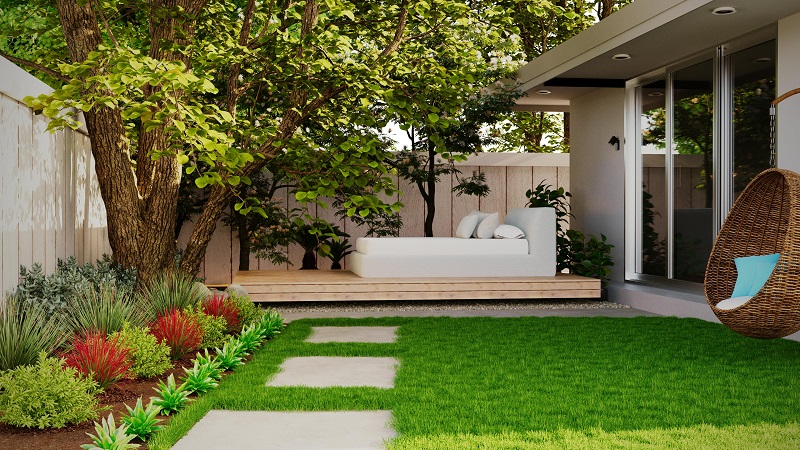
Low-maintenance backyard lawn in Alpharetta GA featuring lush green grass, shade trees, landscaped garden beds, and a modern outdoor seating area

How to Create a Low-Maintenance Lawn in Alpharetta, GA with Zoysia, Bermuda, and Centipede Grass

TL;DR

Want a beautiful lawn in Alpharetta without spending every weekend maintaining it?

  • Choose Zoysia if you want a thick, luxurious lawn that naturally resists weeds and requires less mowing.
  • Choose Bermuda if your yard gets full sun and sees lots of activity from kids, pets, or outdoor gatherings.
  • Choose Centipede if your goal is the lowest-maintenance lawn possible with minimal fertilizing and mowing.
  • Test your soil, water deeply but infrequently, mow at the proper height, and avoid over-fertilizing.
  • Once established, all three grass types can thrive in Alpharetta’s climate while requiring far less work than many homeowners expect.

The result? A healthy, attractive lawn that looks great without demanding all of your free time.


Create a Lawn You’ll Love Without the Constant Work

Picture this.

It’s Friday evening. You’ve wrapped up a long week, pulled into your driveway, and stepped out to see a lush, green lawn stretching across your yard. The grass looks healthy, the yard looks polished, and the best part is that you didn’t spend hours mowing, watering, or fighting weeds to get it that way.

Sounds ideal, right?

The good news is that homeowners in Alpharetta can absolutely achieve this. The secret isn’t spending more time on lawn care. It’s choosing the right grass and following a few smart maintenance practices from the beginning.

If you’re ready to enjoy a beautiful yard without turning lawn care into a second job, here’s everything you need to know.

Why Alpharetta Is an Excellent Place for Warm-Season Grasses

Alpharetta falls within USDA Hardiness Zone 8a, which brings hot, humid summers and relatively mild winters. Those conditions are ideal for warm-season grasses such as Zoysia, Bermuda, and Centipede.

These grass varieties thrive in Georgia’s climate, tolerate the region’s red clay soils, and naturally go dormant during winter to conserve energy. While they may turn brown during colder months, they bounce back beautifully when temperatures rise in spring.

The key to creating a low-maintenance lawn is choosing the grass that best fits your property, lifestyle, and expectations.

Let’s take a closer look at your options.

Zoysia Grass: The Premium Choice for a Beautiful Lawn

If you’re looking for a lawn that feels soft, dense, and luxurious, Zoysia is often the top contender.

Many homeowners love Zoysia because it creates a carpet-like appearance that instantly boosts curb appeal. Its dense growth pattern helps crowd out weeds naturally, reducing the amount of weed control you’ll need throughout the year.

Why Homeowners Love Zoysia

  • Ultra-dense turf helps prevent weed growth
  • Excellent drought tolerance once established
  • Slower growth means less frequent mowing, typically every 10 to 14 days
  • Handles foot traffic well
  • Soft texture that feels great underfoot

Things to Consider

  • Takes longer to establish and fully fill in
  • Sod installation costs are typically higher
  • Can develop thatch over time and may need occasional dethatching
  • Greens up later in spring and turns brown during winter dormancy

Best For

Zoysia is ideal for yards with full sun to partial shade and homeowners who want a lush, upscale lawn that requires less mowing throughout the growing season.

Bermuda Grass: Built for Activity and Durability

Have kids running through the yard? Dogs that treat your lawn like a playground? Regular backyard gatherings?

Bermuda grass was practically made for those situations.

Known for its toughness and rapid growth, Bermuda recovers quickly from wear and tear and thrives in hot, sunny conditions.

Why Homeowners Love Bermuda

  • Extremely durable and traffic-tolerant
  • Deep root system provides strong drought resistance
  • Quickly fills in bare spots
  • Requires relatively modest fertilization
  • Performs exceptionally well in full sun

Things to Consider

  • Needs mowing more frequently during peak growing season
  • Can spread aggressively into flower beds and landscape areas
  • Struggles in shady conditions
  • Turns brown earlier in cool weather compared to some alternatives

Best For

Bermuda is perfect for sunny yards with heavy foot traffic and homeowners who prioritize durability above all else.

Centipede Grass: The Ultimate Low-Maintenance Option

Centipede grass has earned the nickname “the lazy man’s lawn” for a reason.

Among warm-season grasses, Centipede is often the easiest to maintain. It requires less fertilizer, grows more slowly, and performs well in the naturally acidic soils common throughout North Georgia.

For homeowners who want a simple, attractive lawn with minimal upkeep, Centipede deserves serious consideration.

Why Homeowners Love Centipede

  • Lowest fertilizer requirements among warm-season grasses
  • Slow growth reduces mowing frequency
  • Tolerates less-than-perfect soil conditions
  • Attractive light-green color
  • Affordable to establish

Things to Consider

  • Doesn’t handle heavy foot traffic particularly well
  • Sensitive to excessive fertilizer applications
  • Less tolerant of extreme cold
  • Can develop thatch problems in certain soil conditions

Best For

Centipede works best in low-traffic yards where homeowners want a practical, easy-care lawn that requires very little attention.

Step-by-Step Guide to Building a Low-Maintenance Lawn

Choosing the right grass is only part of the equation. Proper installation and care during the establishment phase can make a huge difference in long-term success.

1. Start with a Soil Test

Before planting anything, find out what you’re working with.

Alpharetta’s red clay soils are often compacted and slightly acidic. A soil test from your local UGA Cooperative Extension office can provide valuable information about nutrient levels and soil pH.

Most warm-season grasses perform best when soil pH falls between 6.0 and 6.5.

Starting with accurate information allows you to make improvements before problems develop.

2. Prepare the Soil Properly

A little extra effort during preparation pays off for years.

Remove existing weeds completely and loosen the soil to a depth of 4 to 6 inches. Mixing in 2 to 3 inches of compost can dramatically improve drainage and soil structure, especially in heavy clay areas.

Finish by raking the area smooth and ensuring water drains away from your home’s foundation.

3. Select the Right Installation Method

There are several ways to establish a new lawn.

Sod

  • Provides instant results
  • Ideal for Zoysia and Bermuda
  • Delivers immediate curb appeal
  • Higher upfront investment

Seed

  • Most affordable option
  • Commonly used for Bermuda grass
  • Requires patience during establishment

Sprigs

  • Uses live grass stems
  • Frequently used with Bermuda
  • Cost-effective for larger properties

The best choice depends on your budget, timeline, and lawn goals.

4. Water Correctly During Establishment

New grass needs consistent moisture, but there is a right way to do it.

First Two Weeks

Water lightly every day to keep the soil consistently moist.

Weeks Three and Four

Reduce watering to every other day, applying approximately half an inch each session.

Month Two and Beyond

Transition to deeper, less frequent watering. Aim for about one inch of water per week, including rainfall.

This approach encourages deeper roots and creates a lawn that’s better equipped to handle drought conditions.

5. Mow at the Proper Height

One of the fastest ways to damage a lawn is mowing incorrectly.

Follow these guidelines:

  • Zoysia: 1 to 2 inches
  • Bermuda: 0.5 to 1.5 inches
  • Centipede: 1.5 to 2 inches

Always remember the one-third rule. Never remove more than one-third of the blade height in a single mowing session.

Keeping your grass at the proper height reduces stress and helps prevent weed invasions.

6. Fertilize Strategically

More fertilizer doesn’t automatically mean a healthier lawn.

In fact, over-fertilizing can create unnecessary problems.

Recommended annual nitrogen levels include:

Zoysia

  • 2 to 3 pounds per 1,000 square feet
  • Split into two or three applications

Bermuda

  • 4 to 5 pounds per 1,000 square feet
  • Apply in May, June, July, and August

Centipede

  • 1 to 2 pounds per 1,000 square feet
  • Typically one application in late spring

Using a slow-release fertilizer helps provide steady nutrition while reducing the risk of burning the grass.

7. Keep Weeds Under Control

Nobody wants weeds stealing nutrients and water from their lawn.

Applying a pre-emergent herbicide in early spring can help prevent common weeds such as crabgrass and goosegrass before they appear.

If weeds do show up, spot-treat them rather than applying unnecessary products across the entire lawn.

The healthiest weed control strategy is maintaining thick, vigorous turf that leaves little room for weeds to establish.

8. Aerate When Necessary

Compacted soil can limit root growth and reduce lawn performance.

If you notice standing water, poor drainage, or hard soil, consider aerating during late spring or early summer while the grass is actively growing.

Aeration improves airflow, water penetration, and nutrient absorption, helping your lawn stay healthier with less effort.

Common Lawn Care Mistakes to Avoid in Alpharetta

Even great grass can struggle if it’s managed incorrectly.

Avoid these common mistakes:

  • Overwatering when natural rainfall is already sufficient
  • Applying too much fertilizer to Centipede grass
  • Mowing too short and stressing the turf
  • Planting grass in heavily shaded areas
  • Ignoring excessive thatch buildup

Catching these issues early can save time, money, and frustration later.

Smart Ways to Save Time and Money

A truly low-maintenance lawn is all about working smarter.

Here are a few easy ways to reduce ongoing upkeep:

Install a Smart Irrigation Controller

These systems automatically adjust watering schedules based on weather conditions and can significantly reduce water waste.

Leave Grass Clippings Behind

Grass clippings break down quickly and return valuable nutrients to the soil.

Mulch Landscape Beds

Applying a three-inch layer of mulch helps retain moisture and suppress weeds around plants.

Sharpen Mower Blades Annually

Sharp blades create cleaner cuts, reducing stress and improving lawn appearance.

Use Groundcovers in Difficult Areas

Instead of fighting nature, consider attractive alternatives such as creeping phlox, ajuga, or liriope in shady or challenging spots.

Your Dream Lawn Is Closer Than You Think

Creating a beautiful lawn in Alpharetta doesn’t require endless weekends of hard work.

By choosing the right grass and following a few proven maintenance practices, you can enjoy a healthy, attractive yard that practically takes care of itself.

Whether you prefer the luxurious feel of Zoysia, the toughness of Bermuda, or the simplicity of Centipede, there’s a perfect option for your property.

Imagine stepping outside, feeling soft grass beneath your feet, and knowing your lawn looks fantastic without demanding constant attention.

That’s what a well-planned, low-maintenance lawn can deliver.

Start with the right grass, give it a strong foundation, and enjoy a greener, easier future right in your own backyard.

This post is generated by Chatgpt.