Why Is Your Lawn Struggling? Easy Fixes for Common Lawn Problems
TL;DR
If your lawn is showing brown patches, yellow grass, bare spots, or an increase in weeds, replacing the entire yard is rarely the first solution. Most lawn problems are caused by issues such as improper watering, compacted soil, poor mowing habits, pests, disease, or unsuitable growing conditions. The key to a healthier lawn is identifying the root cause before applying treatments. By making targeted improvements to watering, mowing, soil care, and seasonal maintenance, many lawns can recover and thrive.
A lush, green lawn does not happen by accident. It depends on healthy soil, proper maintenance, and the right growing conditions. When your grass starts turning brown, develops thin patches, or becomes overrun with weeds, it is easy to assume the lawn is beyond saving.
Fortunately, that is rarely the case.
Most lawn problems develop gradually and have a specific cause. Instead of replacing the entire lawn or applying products at random, take time to diagnose the issue first. A careful inspection can save money, prevent unnecessary treatments, and help your lawn recover much faster.
This guide explains the most common reasons lawns struggle, how to identify each problem, and the simple steps you can take to restore healthy, attractive grass in your local U.S. climate.
Start With a Quick Lawn Diagnosis
Before buying fertilizer, weed killer, or lawn treatments, spend a few minutes inspecting your yard. Applying the wrong product often wastes money and, in some cases, can make the damage even worse.
Walk through your lawn and ask yourself these questions:
- Is the grass brown, yellow, thin, or completely dead?
- Are the damaged areas circular, irregular, or evenly spread throughout the yard?
- Does water collect or puddle after rainfall?
- Does the soil feel unusually hard, compacted, or extremely dry?
- Is the damaged section shaded by trees, fences, or nearby buildings?
- Have you recently changed your mowing schedule or watering routine?
- Can you see insects, mushrooms, webbing, or grass blades with visible chewing damage?
- Is the affected area slowly expanding?
It is also important to know which type of grass you have. Kentucky bluegrass, tall fescue, Bermuda, Zoysia, St. Augustine, and centipede grass all have different growth habits and maintenance requirements.
Climate, soil type, rainfall, and seasonal temperatures also play an important role in determining the best lawn care practices.
Brown Grass Does Not Always Mean Dead Grass
Seeing brown grass can be alarming, but brown does not always mean your lawn has died.
During periods of drought or intense summer heat, many grasses naturally go dormant to conserve energy. Likewise, warm-season grasses often turn brown after cold weather, while cool-season grasses may struggle through extended periods of summer heat.
Brown patches may also develop because of:
- Uneven irrigation
- Pet urine
- Scalping from mowing too short
- Drought stress
Easy Fixes
Begin by checking the soil several inches below the surface.
If the soil feels dry and crumbly, water deeply enough to reach the entire root zone. Watering early in the morning is generally the best choice because cooler temperatures reduce evaporation while allowing grass blades to dry during daylight hours.
Avoid watering lightly every day. Frequent shallow watering encourages roots to stay near the surface, making the lawn less resilient during hot weather. Instead, water less frequently but more thoroughly while adjusting for rainfall and any local watering restrictions.
If only a few areas are brown, inspect those spots carefully for pet damage, sprinkler coverage problems, or other localized issues. Before replacing any turf, check whether the crowns and roots are still alive since dormant grass often recovers.
Why Is Your Grass Turning Yellow?
Yellow grass usually signals that something is preventing healthy growth rather than indicating one single problem.
Possible causes include:
- Overwatering
- Poor drainage
- Soil compaction
- Nutrient deficiencies
- Insufficient sunlight
- Lawn diseases
Grass growing in constantly wet soil often develops weak roots and becomes more vulnerable to fungal diseases. Yellowing may also occur when roots cannot properly absorb nutrients.
Easy Fixes
Observe how long the soil remains wet after watering or rainfall.
If it stays soggy for extended periods, reduce irrigation and investigate drainage problems. Compacted soil limits both oxygen and water movement, preventing healthy root development.
A professional soil test is one of the most effective ways to diagnose nutrient deficiencies and pH imbalances. Rather than guessing, use the test results to determine whether fertilizer, lime, or sulfur is actually needed.
If yellow grass appears mainly beneath trees or in heavily shaded areas, limited sunlight may be the real issue. Pruning selected branches or switching to a shade-tolerant ground cover often produces better long-term results than repeatedly applying fertilizer.
Bare Spots and Thin Lawn Areas
Thin turf and bare patches usually develop because grass is unable to compete or recover from ongoing stress.
Common causes include:
- Heavy foot traffic
- Children playing
- Pets running repeatedly through the same areas
- Tree roots competing for moisture
- Insects
- Disease
- Poor drainage
- Insufficient seed-to-soil contact
Easy Fixes
Always correct the underlying problem before reseeding.
Improve drainage, redirect heavy traffic, or eliminate insect damage first.
Next:
- Remove dead grass and debris.
- Loosen the top layer of soil.
- Spread grass seed that matches your existing lawn and regional climate.
- Keep the area consistently moist until seedlings emerge.
- Gradually transition to deeper, less frequent watering once the new grass becomes established.
Overseeding also helps create a thicker lawn that naturally crowds out weeds while reducing soil erosion.
For cool-season grasses, early fall is typically an excellent time for overseeding. Warm-season grasses generally recover best during their active growing season, although ideal timing varies by region.
Weeds Taking Over Your Lawn?
Weeds thrive where healthy grass struggles.
Thin, stressed turf creates open space for common weeds such as:
- Crabgrass
- Dandelions
- Clover
- Nutsedge
The healthier your lawn becomes, the fewer opportunities weeds have to spread.
Easy Fixes
Focus on strengthening your grass first.
Proper mowing height, consistent watering, and good soil health create dense turf that naturally resists weed invasion.
Pull isolated weeds by hand whenever the soil is moist.
For larger infestations, choose a product specifically labeled for both your weed species and grass type. Carefully follow all label instructions, wear appropriate protective equipment, and avoid spraying during windy weather.
Remember that herbicides alone cannot solve problems caused by poor soil, drought, shade, or compaction.
Mushrooms and Lawn Disease
Mushrooms often appear after periods of wet weather when organic matter is naturally decomposing.
Many mushrooms are harmless, but fairy rings, rapidly spreading discoloration, or unusual patches may indicate fungal disease.
Easy Fixes
Improve air circulation by trimming nearby shrubs or tree branches.
Water during the morning rather than the evening so the lawn dries throughout the day.
Additional good practices include:
- Avoid overwatering.
- Keep mower blades sharp.
- Never mow wet grass when possible.
Before applying fungicide, identify the disease correctly. Different lawn diseases require different management strategies, and many improve simply by adjusting watering, mowing, sunlight exposure, and fertilization practices.
Compacted Soil and Poor Drainage
Compacted soil prevents healthy root growth by restricting the movement of air, water, and nutrients.
Signs of compaction include:
- Hard soil
- Standing water
- Weak grass growth
- Shallow root systems
- Poor drainage despite adequate watering
Easy Fixes
Core aeration is one of the most effective solutions.
Unlike simply poking holes into the ground, a core aerator removes small plugs of soil, allowing roots greater access to oxygen and moisture.
Aerate only while your grass is actively growing so it can recover quickly.
If water consistently pools in low areas, inspect downspouts and reduce unnecessary irrigation. Minor drainage problems often improve with aeration and soil improvements, while more serious issues may require grading, drainage systems, or professional evaluation.
Always address drainage issues before reseeding damaged areas.
Lawn Insects and Grubs
Certain insects feed on grass blades while others attack the roots beneath the soil.
Common warning signs include:
- Irregular dead patches
- Birds digging into the lawn
- Visible insects
- Turf that lifts easily from the soil
Easy Fixes
Confirm the pest before choosing any treatment.
Dig a small section near the damaged area and inspect the roots and surrounding soil.
If identification is difficult, contact your local county extension office or an experienced lawn care professional.
Whenever possible, use integrated pest management. This combines regular inspections, proper lawn maintenance, prevention, and targeted treatment instead of relying solely on insecticides.
Avoid applying pesticides simply because one section of grass appears brown.
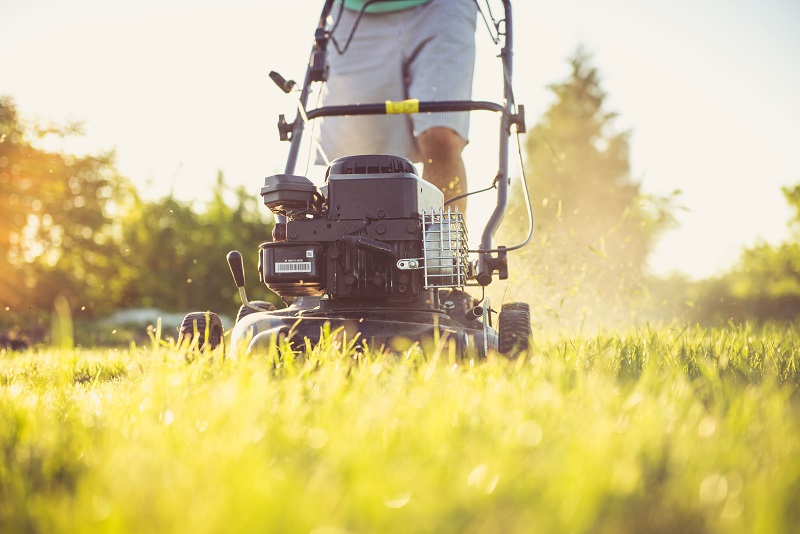
Improper Mowing Can Damage Healthy Grass
Many lawn problems begin with mowing habits.
Cutting grass too short weakens roots, exposes soil, increases moisture loss, and creates opportunities for weeds to invade.
Dull mower blades tear grass rather than producing clean cuts, while mowing wet grass encourages disease and creates heavy clumps.
Easy Fixes
Follow the one-third rule.
Never remove more than one-third of the grass blade during a single mowing session.
During hot or dry weather, consider raising the mower height if appropriate for your grass variety.
Keep mower blades sharp throughout the season and vary your mowing direction regularly to reduce soil compaction and wear patterns.
A Simple Seasonal Lawn Recovery Plan
Spring
- Inspect for winter damage.
- Test the soil.
- Check irrigation systems.
- Control weeds carefully.
- Avoid aggressive treatments while dormant grass is recovering.
Summer
- Raise mowing height when appropriate.
- Monitor for drought stress.
- Water according to rainfall and local restrictions.
- Watch for insects, disease, and heat damage.
Fall
Many cool-season lawns respond well to:
- Core aeration
- Overseeding
- Soil testing
- Regular leaf removal to maintain sunlight and airflow
Winter
Reduce foot traffic on frozen or dormant turf whenever possible.
Use the slower season to sharpen lawn equipment, identify drainage problems, and plan improvements before the next growing season begins.
Common Lawn Care Mistakes to Avoid
Many lawn problems become worse because of simple maintenance mistakes.
Avoid:
- Applying fertilizer without inspecting or testing the soil
- Watering lightly every day
- Mowing the grass too short
- Assuming every brown patch is caused by fungus
- Using weed killers without confirming your grass species
- Overwatering after heavy rainfall
- Reseeding when soil temperatures are unsuitable
- Ignoring shade, drainage, or compacted soil
When Should You Call a Lawn Care Professional?
Some problems require expert assistance. Homeowners may also need professional help with other essential parts of the property, such as garage door installation, repairs, opener issues, and routine maintenance.
Consider contacting a professional if:
- Damage spreads rapidly
- Large areas of turf die unexpectedly
- Drainage issues continue despite improvements
- You suspect a serious insect infestation
- You cannot identify your grass type
- You feel uncomfortable applying pesticides safely
Your local university extension office can also provide valuable recommendations tailored to your region’s climate, soil conditions, and grass varieties.
Whenever you are unsure, spend time diagnosing the problem before choosing a treatment.
Conclusion
A struggling lawn rarely needs immediate replacement. More often, it needs careful observation and a targeted solution.
By identifying the underlying cause before taking action, you can avoid unnecessary treatments, save money, and give your lawn the best chance to recover. Healthy watering habits, proper mowing, improved soil care, and seasonal maintenance all work together to build stronger, thicker turf that is better equipped to resist weeds, drought, pests, and disease.
Instead of trying every lawn product on the shelf, focus on one improvement at a time. With patience and consistent care, most lawns can recover and become healthier, greener, and more resilient year after year.
This post is generated by Chatgpt.