Achieving a Beautiful Lawn on a Budget: Cost-Effective Tips and Tricks

Photo by Binyamin Mellish

A lush and vibrant lawn can be the envy of the neighborhood, but achieving that picture-perfect green carpet often comes with a hefty price tag. However, having a beautiful lawn doesn’t have to drain your wallet. In this article, we will explore cost-effective tips and tricks to help you achieve a stunning lawn without breaking the bank.

1. Soil Health Matters

Before diving into expensive fertilizers and herbicides, start by focusing on the foundation of a healthy lawn: the soil. Testing your soil can help you understand its composition and what it lacks. Many local agricultural extension offices offer soil testing services at a reasonable cost.

Based on your soil test results, you can determine the right balance of nutrients to add. Organic matter, such as compost, is an affordable and effective way to improve soil health. Compost not only enriches the soil but also enhances its ability to retain moisture, reducing the need for frequent watering.

2. Choose the Right Grass

Selecting the right type of grass for your region can significantly impact your lawn’s health and appearance. Native or drought-resistant grasses are often more affordable to maintain because they require less water and care. Consult with a local nursery or garden center to identify the best grass variety for your climate and soil type.

3. Seed Instead of Sod

While laying sod can provide instant gratification with a lush lawn, it’s also much more expensive than seeding. Seeding your lawn is a budget-friendly alternative that, while requiring more patience, can yield excellent results with proper care.

Opt for a quality grass seed blend that suits your climate and soil conditions. Follow recommended seeding rates and techniques for your chosen grass variety, and be sure to keep the soil consistently moist during the germination period.

4. Mow Wisely

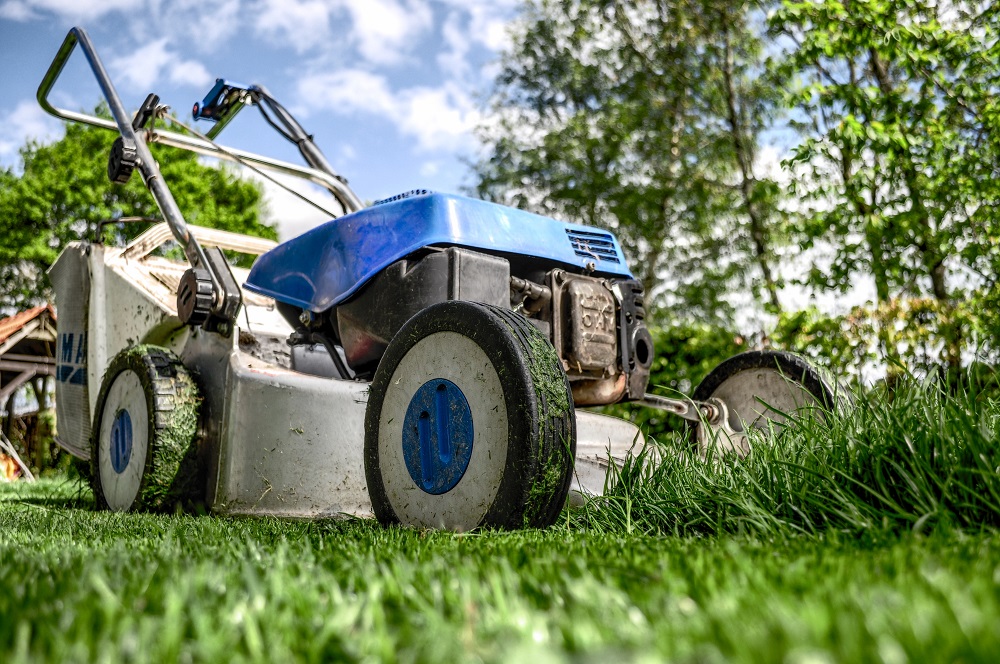
Proper mowing is crucial to maintaining a beautiful lawn. Adjust your mower’s height to ensure you’re cutting only one-third of the grass blade’s length at a time. This practice promotes healthy grass growth and helps your lawn withstand drought and pests.

Invest in a good-quality, affordable lawn mower, and keep its blades sharp. Dull blades can tear grass instead of cleanly cutting it, leading to a brownish appearance and increased susceptibility to diseases.

5. Water Efficiently

Watering your lawn can quickly become a significant expense. To save both water and money, follow these tips:

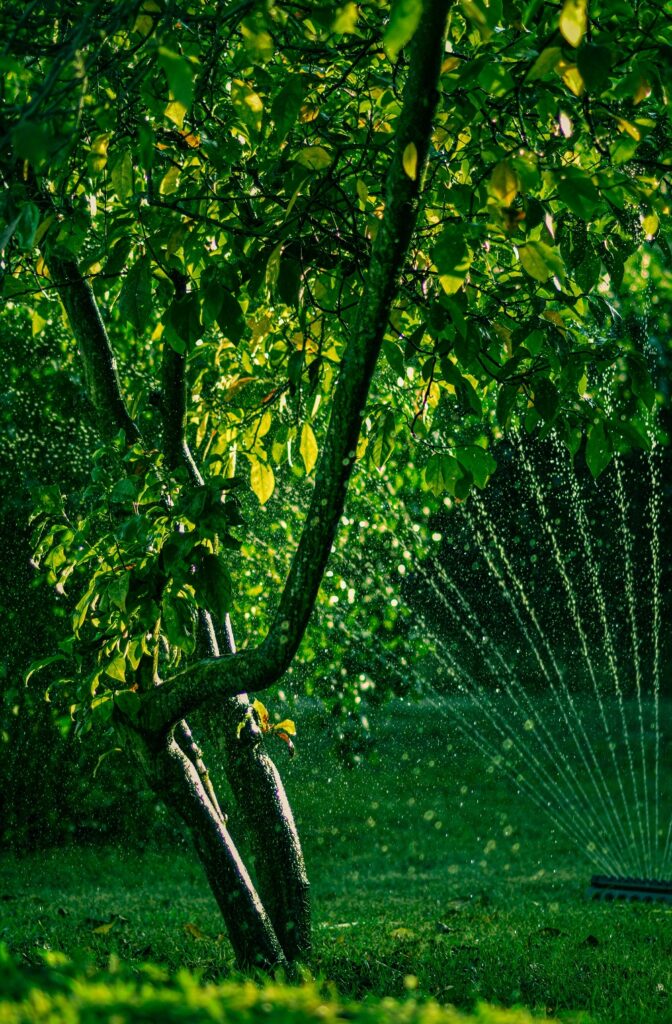
  • Water deeply and infrequently: Instead of daily shallow watering, give your lawn a thorough soak less frequently. This encourages deep root growth and makes your grass more resilient during dry spells.
  • Water in the morning: Early morning is the best time to water your lawn. It allows the grass to dry before evening, reducing the risk of fungal diseases.
  • Install a rain barrel: Collecting rainwater in a barrel can provide a free water source for your lawn during dry periods.

6. DIY Lawn Care

Many lawn maintenance tasks can be done yourself rather than hiring professionals. Consider taking on tasks such as aeration, overseeding, and even basic pest control on your own. There are plenty of online tutorials and resources to guide you through these processes, saving you money on service fees.

7. Natural Pest Control

Pest control can be a costly aspect of lawn care. However, you don’t need to resort to expensive chemicals to keep your lawn pest-free. Consider these natural alternatives:

  • Beneficial insects: Encourage ladybugs, lacewings, and other beneficial insects that prey on garden pests.
  • Neem oil: Neem oil is an organic option for controlling common lawn pests like aphids, mites, and whiteflies.
  • Homemade remedies: Simple mixtures of dish soap and water can deter pests like aphids and spider mites.

8. Homemade Fertilizers

While commercial fertilizers can be effective, they can also be costly. Consider creating your own homemade fertilizers from kitchen scraps like coffee grounds, eggshells, and banana peels. These organic alternatives can provide your lawn with the necessary nutrients at little to no extra cost.

9. Mulch Grass Clippings

Don’t waste time bagging your grass clippings after mowing. Mulching your grass clippings back into the lawn can provide a natural source of nitrogen and other nutrients, reducing the need for additional fertilizers.

10. Regular Maintenance

Regularly maintaining your lawn can prevent small issues from becoming costly problems, just as staying prepared for unexpected home issues—such as needing 24-hour garage door opener emergency help can save time, stress, and money. Spend some time each week inspecting your lawn for weeds, pests, and diseases. By catching and addressing issues early, you can save money on expensive remedies down the line.

11. Smart Landscaping Choices

Strategic landscaping can help reduce the overall maintenance needs of your lawn. Consider incorporating low-maintenance plants, groundcovers, and mulch beds into your landscape design. These elements can add beauty to your yard while reducing the amount of grass you need to care for.

12. Group Your Plants

When planning your landscaping, group plants with similar watering needs together. This reduces water wastage by ensuring that each plant receives the appropriate amount of moisture without overwatering or underwatering any of them.

13. Community Resources

Many communities offer resources to help homeowners with their lawn care efforts. Check if your local government or community organizations provide mulch, compost, or even free tree saplings to residents. These resources can significantly reduce your landscaping costs.

14. Seasonal Sales and Discounts

Keep an eye out for seasonal sales and discounts on lawn care products. Garden centers often offer discounts on seeds, tools, and fertilizers during certain times of the year. Stock up on essentials when prices are lower to save money in the long run.

15. DIY Hardscaping

Consider tackling hardscaping projects yourself, such as building pathways, patios, or retaining walls. These DIY projects can enhance the beauty of your lawn and save you a considerable amount compared to hiring professionals.

16. Share with Neighbors

If you have good relationships with your neighbors, consider sharing lawn care equipment and supplies. Pooling resources with neighbors can help reduce costs and build a sense of community.

17. Plan Ahead

Lastly, create a budget-friendly lawn care plan that outlines your goals, expenses, and maintenance schedule. Planning ahead can help you stay on track and avoid unnecessary spending.

Achieving a beautiful lawn on a budget is entirely possible with the right approach. By focusing on soil health, choosing the right grass, practicing proper lawn care techniques, and implementing cost-effective strategies, you can enjoy a lush, green lawn without breaking the bank. Remember that patience and consistency are key to maintaining a stunning lawn while keeping costs down. With a little effort and creativity, your budget-friendly lawn can become the pride of your neighborhood.

Generated by ChatGPT

Lawn Care for Different Grass Types: Choosing the Right Approach

Photo by hermaion

A lush and vibrant lawn is the pride of any homeowner, but achieving and maintaining such a lawn requires understanding the nuances of different grass types and tailoring your care routine accordingly. Not all grasses are created equal, and each type has specific requirements and characteristics that influence how you should care for it. In this comprehensive guide, we will delve into the world of lawn care for different grass types, helping you choose the right approach for your specific lawn.

1. Understanding Grass Types:

Before diving into specific care routines, it’s crucial to identify the type of grass that makes up your lawn. Grasses can be broadly categorized into two main groups: cool-season grasses and warm-season grasses.

  • Cool-Season Grasses: These grasses thrive in cooler climates and experience their main growth periods during the spring and fall. Common cool-season grasses include Kentucky bluegrass, fescue, and ryegrass.
  • Warm-Season Grasses: Well-suited for warmer climates, warm-season grasses have their peak growth in the summer months. Bermuda grass, Zoysia grass, and St. Augustine grass fall into this category.

2. Tailoring Care for Cool-Season Grasses:

a. Spring Care:

  • Aeration: Early spring is an ideal time for core aeration to alleviate soil compaction and improve water and nutrient absorption.
  • Overseeding: If your cool-season lawn has bare patches, overseeding with the same type of grass can help fill in those areas and improve the lawn’s density.
  • Fertilization: Apply a balanced fertilizer in early spring to provide essential nutrients for new growth.

b. Summer Care:

  • Mowing Height: Raise the mower height to provide shade to the soil, reducing evaporation and weed growth.
  • Watering: Increase water frequency and duration to combat summer heat stress. Water deeply and infrequently to encourage deep root growth.
  • Weed Control: Regularly inspect and treat for weeds that might take advantage of stressed grass during the summer.

c. Fall Care:

  • Aeration: A second round of aeration in the fall helps the grass recover from summer stress and prepares it for the colder months.
  • Fertilization: Apply a fall-specific fertilizer to promote root growth and store nutrients for the winter.
  • Raking Leaves: Keep the lawn clear of fallen leaves to prevent suffocation and disease.

3. Nurturing Warm-Season Grasses:

a. Spring Care:

  • Pre-Emergent Herbicides: Apply pre-emergent herbicides in early spring to prevent weeds from germinating as temperatures rise.
  • Mowing Start: Resume mowing when the grass starts actively growing, usually when temperatures consistently stay above 50°F (10°C).
  • Fertilization: Apply a nitrogen-rich fertilizer in late spring to support growth.

b. Summer Care:

  • Mowing Height: Maintain a lower mowing height for warm-season grasses to discourage thatch buildup and maintain their preferred appearance.
  • Watering: These grasses are drought-tolerant, but deep and infrequent watering still encourages stronger root systems.
  • Pest Management: Monitor for pests like grubs and chinch bugs, which can cause damage during this active growth phase.

c. Fall Care:

  • Overseeding: In the late summer to early fall, overseed warm-season lawns with cool-season grasses to maintain green color during winter dormancy.
  • Fertilization: Apply a potassium-rich fertilizer in early fall to enhance winter hardiness.

4. General Tips for All Grass Types:

  • Mowing Practices: Regular mowing keeps grass healthy. Never remove more than one-third of the grass height in a single mowing.
  • Soil Testing: Periodic soil testing helps you understand your lawn’s nutrient needs and adjust fertilization accordingly.
  • Proper Watering: Water deeply and less frequently to encourage deep root growth and reduce the risk of diseases caused by moisture.

Caring for your lawn involves more than just a one-size-fits-all approach. Different grass types have distinct requirements based on their growth patterns and environmental preferences. By understanding the characteristics of your grass and tailoring your care routine to suit those needs, you can achieve a stunning and healthy lawn that’s the envy of the neighborhood. Whether you have cool-season or warm-season grass, following these guidelines will help you nurture your lawn to its fullest potential.

Generated by ChatGPT

Seasonal Lawn Care Tips: Spring, Summer, Fall, and Winter

Photo by Lisa Fotios

Maintaining a lush and healthy lawn requires year-round attention and care. As the seasons change, so do the needs of your lawn. Each season brings its own challenges and opportunities for lawn care. In this article, we will provide you with comprehensive seasonal lawn care tips for spring, summer, fall, and winter, ensuring that your lawn remains vibrant and beautiful throughout the year.

Spring Lawn Care Tips

1. Clean Up: Start the spring by removing any debris, leaves, and branches that have accumulated over the winter. Rake the lawn gently to prevent damaging tender grass shoots.

Aeration: Aerating the lawn in spring helps improve soil compaction, allowing air, water, and nutrients to reach the roots. Consider renting an aerator or hiring a professional lawn care service for this task.

2. Overseeding: Fill in bare patches and thin areas of the lawn by overseeding with a suitable grass seed variety. This will help to increase the lawn’s density and resilience.

3. Fertilization: Apply a balanced, slow-release fertilizer to provide the lawn with essential nutrients for healthy growth. Look for a fertilizer specifically formulated for spring application.

4. Weed Control: Spring is the prime time for weed growth. Apply a pre-emergent herbicide early in the season to prevent weed seeds from germinating. For existing weeds, use spot treatments or consider manual removal.

5. Irrigation: Check your sprinkler system and ensure it is functioning correctly. Water the lawn in the morning to reduce water loss through evaporation and prevent fungal issues.

6. Mowing: Gradually lower the mower height as the grass grows, but avoid cutting more than one-third of the grass blade’s length at a time.

Summer Lawn Care Tips

1. Watering: In hot summer months, water deeply but less frequently. Aim for about 1 to 1.5 inches of water per week, depending on rainfall and soil conditions.

2. Drought Tolerance: Consider using drought-tolerant grass varieties or native plants to reduce water consumption during summer. These plants are adapted to withstand dry conditions better.

3. Proper Mowing: Set your mower to a higher setting during the summer to shade the soil and promote deeper root growth. Taller grass also helps retain moisture.

4. Weed Management: Continue to monitor and control weeds throughout the summer. Hand pulling or spot treatments are preferred over widespread chemical applications.

5. Pest Control: Keep an eye out for pests, such as grubs and chinch bugs, which can cause significant damage to the lawn. If necessary, use eco-friendly pest control methods.

6. Avoid High-Traffic Areas: During hot and dry spells, try to minimize foot traffic on the lawn to prevent stress on the grass.

Fall Lawn Care Tips

1. Raking: Regularly rake fallen leaves to prevent them from smothering the lawn and blocking sunlight.

2. Fertilization: Apply a fall-specific fertilizer to strengthen the lawn’s roots and promote vigorous growth.

3. Aeration: If your lawn sees heavy use during the summer, consider aerating again in the fall to reduce soil compaction.

4. Overseeding: Fall is the best time for overseeding as the soil is still warm, and there is generally more rainfall.

5. Weed Control: Apply a broadleaf weed killer to control persistent weeds and prevent them from spreading before winter.

6. Mowing: Gradually reduce the height of your lawn as the growth slows down, but never cut more than one-third of the grass blade at a time.

Winter Lawn Care Tips

1. Clear Debris: Remove any remaining leaves and debris to prevent snow mold and other fungal diseases.

2. Avoid Walking on Frozen Grass: During frost or frozen conditions, avoid walking on the grass to prevent damage.

3. Snow Removal: Be cautious when removing snow from the lawn, as piling it up can cause damage. Shovel or blow snow away from the lawn to avoid compacting the grass.

4. Winter Fertilization: Consider using a winter-specific fertilizer that provides nutrients to strengthen the grass during the dormant period.

5. Lawn Inspection: Take the opportunity to inspect your lawn for any potential issues or damage that will need addressing in the spring.

Proper lawn care throughout the seasons is crucial for maintaining a healthy and vibrant lawn year-round. Each season presents unique challenges and opportunities for nurturing your lawn. From spring’s rejuvenation to summer’s heat, fall’s preparation, and winter’s dormancy, implementing these seasonal lawn care tips will ensure your lawn remains resilient, lush, and inviting throughout the year. Remember to adapt your lawn care routine to suit the specific needs of your region’s climate and grass type. With consistent care and attention, you can enjoy a beautiful lawn that enhances the curb appeal of your property and provides a relaxing outdoor space for your family to enjoy.

Created by ChatGPT

Creating a Sustainable and Eco-Friendly Lawn Care Routine

Photo by Iulian Sandu:

As environmental consciousness continues to grow, more and more homeowners are seeking ways to create eco-friendly and sustainable lawn care routines, and integrating home security services can complement these efforts by protecting outdoor spaces. Traditionally, lawn maintenance has relied heavily on chemical fertilizers, pesticides, and excessive water consumption, contributing to environmental degradation. However, with a shift towards sustainable practices, homeowners can maintain lush, healthy lawns while minimizing their environmental impact.

In addition to these practices, incorporating outdoor security measures such as motion-activated lights, smart surveillance cameras, and perimeter sensors can help safeguard your eco-friendly landscaping investments from potential vandalism or theft of valuable equipment like solar-powered irrigation systems. In this article, we will explore various strategies and tips to create a sustainable and eco-friendly lawn care routine while ensuring the safety and security of your outdoor spaces.

Selecting Native and Drought-Tolerant Plants

One of the first steps in creating an eco-friendly lawn is to choose native and drought-tolerant plant species. Native plants are naturally adapted to the local climate and soil conditions, requiring minimal maintenance and reducing the need for excessive watering and chemical treatments. Drought-tolerant plants can withstand dry conditions, reducing water consumption during periods of low rainfall.

Soil Health and Organic Fertilization

Healthy soil is the foundation of a sustainable lawn care routine. Conduct a soil test to determine its nutrient content and pH levels. By understanding the soil’s needs, you can tailor fertilization to suit your lawn’s specific requirements. Instead of relying on synthetic chemical fertilizers, opt for organic alternatives such as compost, mulch, and natural amendments. These provide essential nutrients, improve soil structure, and support beneficial microorganisms.

Reduce Water Consumption

Water conservation is crucial for sustainable lawn care, especially in water-scarce regions. Install a smart irrigation system that adjusts watering schedules based on weather conditions and the lawn’s moisture levels. Additionally, consider using rainwater harvesting systems to collect and store water for future use, reducing reliance on municipal water sources.

Implement Proper Mowing Practices

Mowing is an essential aspect of lawn care, but it can have a significant impact on sustainability. Maintain your lawn at the recommended height for your grass species to encourage deep root growth, improve drought resistance, and reduce weed growth. Avoid mowing when the grass is wet to prevent damage and disease spread.

Embrace Integrated Pest Management (IPM)

Traditional lawn care often relies on chemical pesticides to combat pests. However, these chemicals can harm beneficial insects, contaminate water sources, and harm the ecosystem. Instead, adopt Integrated Pest Management (IPM) techniques that use a combination of preventive measures, natural predators, and environmentally-friendly products to manage pests effectively.

Reduce Chemical Use

Limit the use of chemicals on your lawn to the bare minimum. Synthetic pesticides and herbicides can have adverse effects on human health and the environment. If you must use them, do so sparingly and only when necessary. Seek organic and biopesticide alternatives, which are less harmful to the environment and promote biodiversity.

Composting Yard Waste

Instead of disposing of yard waste like grass clippings, leaves, and branches, create a composting system. Composting not only reduces waste in landfills but also produces nutrient-rich compost that can be used to fertilize your lawn and garden naturally.

Utilize Natural Lawn Care Products

When purchasing lawn care products, choose those labeled as natural or eco-friendly. These products are less likely to contain harmful chemicals and are formulated with environmental sustainability in mind.

Aerate and Overseed Regularly

Aerating your lawn allows air, water, and nutrients to penetrate the soil more effectively, promoting healthy root growth. Overseeding helps fill in bare patches and increases the lawn’s density, naturally reducing weed growth.

Encourage Wildlife and Biodiversity

Create a welcoming environment for wildlife by incorporating native plants and installing bird feeders, birdhouses, and insect hotels. Encouraging biodiversity in your lawn helps maintain a balanced ecosystem and reduces the need for chemical pest control.

Creating a sustainable and eco-friendly lawn care routine is essential for preserving the environment and reducing our ecological footprint. By following these tips, you can maintain a beautiful, lush lawn while protecting the planet for future generations. Embrace native plants, improve soil health, reduce water consumption, and minimize chemical use to achieve a lawn that is both environmentally-friendly and visually appealing. By taking these steps, you contribute to the global effort to protect our planet and create a greener, healthier world.

Generated by ChatGPT

Lawn Maintenance Tools and Equipment: Must-Haves for Every Homeowner

Photo by Skitterphoto

Maintaining a healthy and beautiful lawn requires regular upkeep, and having the right tools and equipment is essential for efficient lawn care. Whether you are a seasoned gardener or a new homeowner, having a well-stocked toolkit will make your lawn maintenance tasks easier and more effective. In this article, we will explore the must-have tools and equipment for every Alpharetta homeowner, from basic essentials to specialized implements. By understanding the purpose and benefits of these tools, you can equip yourself with everything you need to keep your lawn in top shape throughout the year.

Lawn Mower

A high-quality lawn mower is the cornerstone of any homeowner’s lawn maintenance toolkit. Choosing the right type of mower depends on the size and terrain of your lawn:

1. Push Mower: Ideal for small to medium-sized lawns, push mowers are manually operated and require physical effort to push and maneuver.

2. Self-Propelled Mower: Suitable for larger lawns or if you prefer less physical exertion, self-propelled mowers feature an engine that drives the wheels, making it easier to navigate uneven terrain.

3. Riding Mower: Designed for large lawns or properties with hilly landscapes, riding mowers offer comfort and efficiency. They are best suited for homeowners with expansive areas to maintain.

Trimmer/Edger

A trimmer or edger is essential for achieving clean and well-defined edges along sidewalks, driveways, and garden beds. Trimmers come in two main types:

1. String Trimmer: Also known as a weed eater, a string trimmer uses a rotating nylon string to cut grass and weeds in hard-to-reach areas and along edges.

2. Edger: An edger creates precise and neat edges by cutting a clean line between the lawn and other surfaces. It offers a more polished and professional appearance.

Leaf Blower

A leaf blower is a versatile tool that helps clear leaves, grass clippings, and debris from your lawn quickly and efficiently. It comes in three main types:

1. Handheld Blower: Lightweight and portable, handheld blowers are suitable for smaller properties with light debris.

2. Backpack Blower: Designed for larger properties or areas with heavy debris, backpack blowers provide more power and longer operating times, with the weight distributed on the user’s back.

3. Wheeled Blower: Wheeled blowers are the most powerful option and are typically used for commercial or large-scale applications. They offer high air volume and velocity for efficient debris removal.

Rake

A traditional rake is a versatile tool that serves multiple purposes in lawn maintenance. It is indispensable for tasks such as removing leaves, thatch, and debris, as well as leveling soil and spreading mulch. Look for a sturdy rake with flexible tines that can handle various lawn care tasks effectively.

Pruning Tools

Pruning tools are essential for maintaining the health and appearance of trees, shrubs, and bushes in your lawn. The following pruning tools are must-haves for every homeowner:

1. Pruning Shears: Also known as hand pruners or secateurs, pruning shears are designed to cut small branches and stems cleanly. They are ideal for precision trimming and shaping.

2. Loppers: Loppers have long handles and powerful cutting jaws, making them suitable for cutting thicker branches that pruning shears cannot handle.

3. Pruning Saw: A pruning saw features a curved or straight blade with sharp teeth, enabling you to cut through larger branches efficiently.

Garden Hose and Sprinkler

Proper watering is essential for a healthy lawn. Invest in a durable garden hose and a sprinkler system that covers your lawn evenly. A sprinkler with adjustable patterns and spray distances will allow you to customize watering based on your lawn’s needs.

Soil Testing Kit

A soil testing kit is a valuable tool for understanding your lawn’s soil composition and nutrient levels. It helps you determine the appropriate fertilizers and amendments required to achieve optimal lawn health. Soil testing kits typically include pH test strips, nutrient analysis, and instructions for interpreting the results.

Equipping yourself with the right lawn maintenance tools and equipment is vital for keeping your lawn healthy and attractive. From a reliable lawn mower and trimmer to essential pruning tools and a soil testing kit, each tool serves a specific purpose in achieving a well-maintained lawn. By investing in quality tools and understanding how to use them effectively, you can streamline your lawn care routine and ensure that your outdoor space remains a source of pride and enjoyment for years to come.

Generated by ChatGPT

Aeration and Overseeding: Enhancing the Health and Growth of Your Lawn

Photo by Tobi

A lush and vibrant lawn adds beauty and value to any property. However, maintaining a healthy lawn requires more than regular watering and mowing. Aeration and overseeding are two essential practices that can significantly enhance the health and growth of your lawn. In this article, we will explore the benefits and techniques of aeration and overseeding, explaining how they work together to promote strong roots, improved nutrient absorption, and increased resistance to environmental stresses. By understanding the importance of these practices, you can take the necessary steps to achieve a beautiful and resilient lawn.

Benefits of Aeration

Aeration involves the process of creating small holes in the soil to alleviate compaction and allow air, water, and nutrients to penetrate the root zone. This practice offers several key benefits for your lawn:

1. Enhanced Oxygen and Nutrient Absorption: By creating channels for air and nutrients, aeration improves the ability of the roots to absorb oxygen, water, and essential nutrients. This leads to stronger and healthier root systems, which are essential for overall lawn health.

2. Improved Water Infiltration: Compacted soil can prevent water from properly reaching the root zone, leading to shallow root growth and increased vulnerability to drought. Aeration helps water penetrate deeply into the soil, promoting deeper root development and drought resistance.

3. Reduction of Thatch Buildup: Thatch, a layer of dead grass and organic matter that accumulates on the soil surface, can prevent water, air, and nutrients from reaching the roots. Aeration breaks up the thatch layer, allowing it to decompose more effectively and preventing excessive buildup.

4. Enhanced Soil Structure: Compacted soil restricts the movement of roots and hampers the growth of beneficial soil microorganisms. Aeration loosens the soil, improving its structure and promoting a healthy environment for root growth and microbial activity.

Benefits of Overseeding

Overseeding involves spreading grass seed over an existing lawn to introduce new grass varieties and fill in bare patches. This practice offers numerous advantages for your lawn’s health and appearance:

1. Thickened Turf: Over time, lawns can become thin and sparse due to factors such as foot traffic, diseases, or aging grass. Overseeding helps to thicken the turf by introducing new grass seed, resulting in a denser and more visually appealing lawn.

2. Weed Suppression: A thick and healthy lawn created through overseeding can effectively crowd out weeds, reducing their establishment and growth. By filling in bare spots, overseeding leaves less room for weed seeds to germinate and take hold.

3. Improved Disease and Pest Resistance: Overseeding with disease-resistant grass varieties strengthens the lawn’s overall resistance to common diseases and pests. By diversifying the grass types, you can mitigate the risk of widespread damage from specific pathogens or insects.

4. Enhanced Color and Uniformity: Overseeding can improve the color and uniformity of your lawn, especially if your existing grass has become discolored or patchy. New grass seed can introduce vibrant colors and create a more consistent appearance throughout the lawn.

Aeration and Overseeding: A Winning Combination

While aeration and overseeding each offer unique benefits, combining these practices can yield exceptional results for your lawn’s health and growth:

1. Synergistic Effects: Aeration and overseeding work together to maximize the benefits of each practice. Aeration creates an optimal environment for seed germination by improving soil contact and reducing competition from thatch. The newly created holes provide an ideal seedbed, allowing the grass seed to establish and flourish.

2. Seed-to-Soil Contact: The holes created during aeration provide direct contact between the grass seed and soil, promoting better seed germination rates. This contact enables the seed to absorb moisture from the soil and facilitates the exchange of nutrients, resulting in stronger and healthier grass growth.

3. Enhanced Nutrient Availability: Aeration improves nutrient absorption by allowing fertilizers and soil amendments to reach the root zone more effectively. When combined with overseeding, the introduction of new grass varieties can help optimize nutrient uptake, as different grass types may have varying nutrient requirements.

4. Long-Term Lawn Resilience: Aeration and overseeding contribute to the long-term health and resilience of your lawn. Stronger and deeper root systems developed through aeration provide improved access to water and nutrients, making the grass more resistant to drought and environmental stresses. Additionally, the introduction of new grass varieties through overseeding helps prevent the dominance of a single grass type, reducing the risk of disease or pest outbreaks.

5. Cost-Effective Solution: Aeration and overseeding are cost-effective practices compared to other lawn renovation methods. They can revitalize an existing lawn without the need for complete removal and replacement, saving both time and money.

Aeration and overseeding are vital components of a comprehensive lawn care regimen. By incorporating these practices into your lawn maintenance routine, you can enjoy a healthier, greener, and more resilient lawn. Aeration promotes improved nutrient absorption, reduced thatch buildup, and enhanced soil structure, while overseeding thickens the turf, suppresses weeds, and enhances color and uniformity. When combined, aeration and overseeding create a synergistic effect that maximizes the benefits of both practices. With proper planning and execution, your lawn can flourish, becoming a source of pride and enjoyment for years to come.

Generated by ChatGPT

Dealing with Common Lawn Pests and Diseases: Prevention and Treatment

Maintaining a healthy and vibrant lawn requires more than just regular watering and mowing. It also involves protecting your lawn from common pests and diseases that can damage or destroy your grass. By understanding the signs, causes, and prevention methods of common lawn pests and diseases, you can effectively manage and treat these issues. In this article, we will explore a range of preventive measures and treatment strategies to help you deal with common lawn pests and diseases, ensuring a lush and thriving outdoor space.

1. Identifying Common Lawn Pests

To effectively address lawn pest issues, it is essential to identify the culprit. Common lawn pests include grubs, chinch bugs, armyworms, and sod webworms. Each pest has unique characteristics, feeding habits, and signs of infestation. By closely inspecting your lawn for damaged areas, brown patches, or telltale signs of pest activity, such as chewed grass blades or surface tunneling, you can narrow down the pest responsible. Proper identification is crucial for implementing the appropriate treatment and prevention strategies.

2. Prevention Methods for Lawn Pests

Prevention is the first line of defense against lawn pests. Implementing proper cultural practices, such as regular mowing at the appropriate height and adequate watering, promotes a healthy lawn that is more resistant to pest damage. Maintaining proper soil fertility and pH levels through regular soil testing and appropriate fertilization helps strengthen the grass and improve its ability to withstand pest pressure. Additionally, overseeding with pest-resistant grass varieties and avoiding excessive thatch buildup are effective preventive measures. By creating unfavorable conditions for pests and promoting a robust lawn, you can minimize the risk of infestation.

3. Treatment Strategies for Lawn Pests

When lawn pests have already infested your lawn, prompt treatment is necessary to prevent further damage. Depending on the specific pest, treatment options may include targeted insecticide applications, nematode treatments, or cultural practices like dethatching or aerating to disrupt pest habitats. It is important to carefully follow label instructions and use appropriate products to ensure effective control while minimizing environmental impact. Integrated pest management (IPM) approaches, which combine multiple control methods, can provide comprehensive and long-term pest management solutions.

4. Common Lawn Diseases and Their Causes

Lawn diseases can manifest as fungal, bacterial, or viral infections, causing discoloration, wilting, or unusual growth patterns in grass. Common lawn diseases include brown patch, dollar spot, powdery mildew, and rust. These diseases often thrive under specific environmental conditions, such as excessive moisture, poor air circulation, or nutrient imbalances. Understanding the causes and conditions favorable to each disease helps in prevention and treatment strategies.

5. Preventive Measures for Lawn Diseases

Preventing lawn diseases involves implementing proper cultural practices and maintaining optimal growing conditions for your grass. Avoid overwatering, as excessive moisture creates a favorable environment for disease development. Promote good air circulation by avoiding dense thatch buildup and proper spacing of trees and shrubs. Regular soil testing and appropriate fertilization help maintain balanced nutrient levels that support healthy grass growth. Resistant grass varieties and overseeding with disease-resistant cultivars can also minimize the risk of disease occurrence.

6. Treatment Options for Lawn Diseases

When faced with lawn diseases, targeted treatment measures can help control and eliminate the problem. Fungicides and bactericides may be necessary to address severe infections, but they should be used judiciously and in accordance with label instructions. Cultural practices like regular mowing at the correct height, proper watering techniques, and removing diseased plant material can aid in disease management. Increasing sunlight penetration and improving soil drainage can also discourage disease development. It is important to note that early detection and prompt treatment are key to preventing the spread of diseases and minimizing damage to your lawn.

7. Integrated Pest and Disease Management

Integrated pest and disease management (IPM) is an approach that combines various preventive measures and treatment strategies to effectively manage lawn pests and diseases. By implementing IPM principles, you can minimize reliance on chemical treatments and promote long-term sustainability. IPM involves regular monitoring of your lawn for signs of pests or diseases, early intervention when issues arise, and the use of multiple control methods, such as cultural practices, biological controls, and targeted treatments. This holistic approach aims to strike a balance between controlling pests and diseases while maintaining a healthy and resilient lawn ecosystem.

8. Professional Assistance

In some cases, it may be necessary to seek professional assistance for severe pest infestations or persistent lawn disease issues. Lawn care professionals have the expertise and experience to accurately diagnose the problem, recommend appropriate treatment methods, and provide ongoing maintenance to restore the health and vitality of your lawn. They can also offer valuable advice on preventive measures and help you develop a customized lawn care plan. Consulting with a professional can save you time, effort, and potential frustration in effectively dealing with lawn pests and diseases.

Dealing with common lawn pests and diseases requires a proactive and comprehensive approach. By understanding the signs, causes, and prevention methods of pests and diseases, you can effectively protect and maintain a healthy lawn. Implementing preventive measures, such as proper lawn care practices and creating unfavorable conditions for pests and diseases, is key to minimizing their impact. Timely and targeted treatment strategies, along with integrated pest and disease management approaches, can help address existing issues. When necessary, don’t hesitate to seek professional assistance to ensure the long-term health and beauty of your lawn.

Generated by Chat GPT

Weed Control Strategies for a Weed-Free Lawn

Photo by pixmike

Maintaining a weed-free lawn is a common goal for homeowners who want to enjoy a lush and healthy outdoor space. Weeds not only detract from the aesthetic appeal of your lawn but also compete with desirable grass for nutrients, water, and sunlight. Effectively controlling weeds requires a combination of preventive measures, cultural practices, and targeted treatments. In this article, we will explore a range of strategies to help you achieve a weed-free lawn, from understanding weed types and life cycles to implementing proper lawn care practices and utilizing various weed control methods.

1. Understanding Weed Types and Life Cycles

To effectively control weeds, it’s essential to understand the types of weeds that commonly invade lawns and their life cycles. Broadleaf weeds, such as dandelions and clover, have distinct characteristics that differentiate them from grasses. Understanding their growth habits, seed production, and spread methods will guide you in implementing appropriate control strategies. Additionally, familiarize yourself with grassy weeds, like crabgrass and Bermuda grass, which can quickly overrun a lawn if not properly managed. By understanding the specific characteristics and life cycles of weeds, you can tailor your control methods accordingly.

2. Proper Lawn Care Practices

Maintaining a healthy lawn is one of the best defenses against weed invasion. Implementing proper lawn care practices promotes dense grass growth, leaving less space for weeds to establish. Regular mowing at the appropriate height for your grass type prevents weed seed germination and encourages thicker turf. Watering deeply and infrequently promotes deep root growth in grass while making the environment less favorable for weed growth. Aeration and overseeding can help fill in thin areas and crowd out potential weed growth. By implementing these practices, you create conditions that discourage weed development and support a resilient lawn.

3. Preventive Measures

Prevention is key when it comes to weed control. Taking preventive measures can significantly reduce the weed population in your lawn. One effective step is to apply a pre-emergent herbicide in early spring before weed seeds germinate. This creates a barrier that prevents weed seeds from sprouting. Additionally, inspect any new plants or sod that you introduce to your lawn for signs of weeds. Properly cleaning lawn equipment and removing weeds before they produce seeds will also prevent their spread. By implementing these preventive measures, you can proactively reduce the likelihood of weed infestation in your lawn.

4. Targeted Weed Control Methods

When weeds do appear in your lawn, targeted control methods can help you address them effectively. Spot treatments with post-emergent herbicides specifically formulated for the types of weeds present can provide effective control while minimizing damage to the surrounding grass. Manual removal, such as hand-pulling or using a weed tool, can be effective for isolated or small patches of weeds. For larger areas, consider using selective herbicides that target broadleaf or grassy weeds, depending on the weed type. Integrated pest management (IPM) practices, which combine various control methods, can provide comprehensive and long-term weed control.

5. Natural and Organic Weed Control

For those seeking natural or organic options for weed control, several methods can be effective. Hand-weeding or using tools to physically remove weeds is a labor-intensive but chemical-free approach. Applying organic mulch around plants and in garden beds helps suppress weed growth by blocking sunlight and inhibiting seed germination. Additionally, using vinegar or boiling water as a spot treatment can be effective on certain weed types. However, it’s important to note that organic methods may require repeated applications and may not provide immediate results compared to synthetic herbicides.

6. Regular Lawn Inspections and Maintenance

Regular inspections of your lawn are crucial for identifying and addressing weed issues promptly. Take the time to walk your lawn regularly, keeping an eye out for any emerging weeds or signs of weed infestation. By catching weeds early, you can implement targeted control methods before they spread and become more challenging to manage. Additionally, maintain a consistent lawn care routine, including proper fertilization, irrigation, and overseeding as needed. A healthy and vigorously growing lawn is better equipped to outcompete weeds and minimize their establishment.

7. Timing and Persistence

Timing is key when it comes to effective weed control. Many weeds have specific growth stages or windows of vulnerability where they are more susceptible to control methods. Understanding the life cycles of weeds and their optimal treatment timing allows you to apply herbicides or other control methods when they are most effective. Persistence is also essential in weed control. Most weeds reproduce through seeds, and even a single plant left unmanaged can contribute to a new generation of weeds. Consistent and ongoing weed control efforts will prevent weed populations from reestablishing and help you maintain a weed-free lawn.

8. Professional Assistance

If you find that your weed issues persist despite your best efforts, it may be beneficial to seek professional assistance. Lawn care professionals have experience in identifying and managing various weed types and can provide tailored solutions for your specific lawn conditions. They can conduct thorough weed inspections, recommend appropriate herbicides or control methods, and provide ongoing maintenance to keep your lawn weed-free. Consulting with a professional can save you time, effort, and potential frustration in achieving and maintaining a pristine and weed-free lawn.

Achieving a weed-free lawn requires a combination of preventive measures, proper lawn care practices, and targeted weed control methods. By understanding the types and life cycles of weeds, implementing preventive measures, and conducting regular inspections, you can effectively control weed populations. Whether using synthetic herbicides, natural remedies, or a combination of both, persistence and timing are crucial for successful weed control. By implementing these strategies and considering professional assistance when needed, you can enjoy a healthy and beautiful lawn, free from the nuisances and competition of weeds.

Generated by Chat GPT

Understanding Fertilizers: Choosing the Right Nutrients for Your Lawn

Photo by Tobi

A well-nourished lawn is the foundation for a lush, green, and healthy outdoor space. Fertilizers play a vital role in providing essential nutrients that support the growth and vitality of your lawn. However, with numerous fertilizer options available, understanding the different nutrients and choosing the right fertilizer can be overwhelming. In this article, we will delve into the world of fertilizers, exploring the key nutrients required by your lawn, the importance of soil testing, and guidelines for selecting and applying the right fertilizer to ensure your lawn thrives.

1. The Role of Nutrients in Lawn Health

Lawn fertilizers are formulated to provide essential nutrients that support the overall health and growth of your lawn. The three primary nutrients required by lawns are nitrogen (N), phosphorus (P), and potassium (K), often referred to as NPK. Nitrogen promotes leaf and shoot growth, phosphorus aids in root development and flowering, while potassium enhances disease resistance and overall plant vigor. Understanding the role of these nutrients is crucial for selecting the right fertilizer that meets the specific needs of your lawn.

2. Conducting a Soil Test

Before choosing a fertilizer, it’s essential to conduct a soil test to determine the current nutrient levels and pH of your soil. Soil testing provides valuable information about nutrient deficiencies or excesses, allowing you to tailor your fertilizer application accordingly. A soil test can be conducted through a local agricultural extension office or with a DIY soil testing kit. The results will guide you in selecting the appropriate fertilizer and help you avoid unnecessary nutrient imbalances or wasteful applications.

3. Selecting the Right Fertilizer

Once you have the results of your soil test, you can choose a fertilizer that addresses any nutrient deficiencies identified. Fertilizers come in various formulations, including granular, liquid, and organic options. Granular fertilizers are popular for their ease of use and long-lasting effects, while liquid fertilizers provide quick nutrient absorption. Organic fertilizers are derived from natural sources and offer slow-release benefits. Look for a fertilizer with a nutrient ratio that matches your lawn’s specific needs, such as a 3-1-2 or 4-1-2 ratio for general lawn maintenance. Consider factors like grass type, climate, and environmental impact when selecting a fertilizer.

4. Application Techniques

Proper application techniques are essential to ensure effective nutrient absorption and prevent issues such as nutrient runoff or burning the grass. Follow the instructions on the fertilizer packaging for the recommended application rates and frequency. Use a spreader for granular fertilizers, ensuring even coverage. For liquid fertilizers, dilute them according to the instructions and use a sprayer for uniform distribution. Apply fertilizers when the grass is dry to avoid clumping or burning. Water the lawn after application to facilitate nutrient absorption into the soil. Additionally, avoid spreading fertilizer near water bodies to prevent water contamination.

5. Timing and Frequency

Timing and frequency of fertilizer applications depend on various factors, including grass type, climate, and seasonal requirements. Cool-season grasses benefit from fertilization in early spring and fall when growth is most active. Warm-season grasses may require fertilization during their active growing seasons, such as late spring or summer. However, always refer to the specific recommendations for your grass type. Applying fertilizer too frequently or in excessive amounts can lead to nutrient imbalances, environmental pollution, and weak lawn growth. Strike a balance between providing adequate nutrients and avoiding overfertilization to maintain a healthy and sustainable lawn.

6. Supplemental Nutrients and Amendments

In addition to the primary nutrients (NPK), there are secondary and micronutrients that can benefit your lawn’s health. Secondary nutrients include calcium (Ca), magnesium (Mg), and sulfur (S), while micronutrients encompass iron (Fe), manganese (Mn), zinc (Zn), copper (Cu), boron (B), and molybdenum (Mo). These nutrients are typically present in smaller quantities but are still essential for optimal growth. If your soil test indicates deficiencies in any of these nutrients, consider using supplemental fertilizers or amendments specifically formulated to address those deficiencies. However, it’s important to exercise caution and follow recommended application rates to avoid overapplication, which can be harmful to your lawn.

7. Organic and Environmentally-Friendly Options

For those who prefer a more natural approach, organic fertilizers offer an eco-friendly alternative. Organic fertilizers are derived from natural sources such as compost, manure, or plant-based materials. They release nutrients slowly, promoting gradual and sustained growth. Additionally, organic fertilizers improve soil structure and microbial activity, leading to overall soil health. However, organic fertilizers may have lower nutrient concentrations compared to synthetic options, and their effects may take longer to become noticeable. Consider using a combination of organic and synthetic fertilizers to achieve a balance between sustainability and effectiveness.

8. Maintenance Practices for Lawn Health

While fertilizers play a vital role in lawn health, they should be complemented with proper maintenance practices. Regular mowing, proper watering, and adequate aeration contribute to the overall well-being of your lawn. Mow at the appropriate height for your grass type, ensuring not to remove more than one-third of the grass blade at a time. Water deeply and infrequently to encourage deep root growth. Aerate the soil to alleviate compaction and improve nutrient absorption. By combining proper fertilization with these maintenance practices, you will create an environment where your lawn can thrive and flourish.

Choosing the right fertilizer for your lawn involves understanding the essential nutrients, conducting soil tests, and considering factors such as grass type, climate, and environmental impact. By addressing nutrient deficiencies and applying fertilizers correctly, you can promote healthy growth and maintain a vibrant lawn. Remember to follow recommended application rates, timing, and frequency, and consider supplemental nutrients or organic options when needed. With proper fertilization and complementary maintenance practices, you can enjoy a lush and resilient lawn that enhances the beauty and value of your outdoor space.

Generated by Chat GPT

Watering Your Lawn: Best Practices and Efficient Techniques

Photo by Dennis

A well-watered lawn is a key component of a healthy and vibrant outdoor space. However, improper watering practices can waste water, lead to shallow root growth, and promote the growth of weeds and diseases. To ensure the optimal health and appearance of your lawn while conserving water, it’s important to follow best practices and employ efficient watering techniques. In this article, we will explore the essential guidelines for watering your lawn, covering topics such as watering frequency, timing, duration, and methods that will help you achieve a lush and sustainable lawn.

1. Understanding Watering Needs

Before diving into watering techniques, it’s crucial to understand your lawn’s watering needs. Factors such as grass type, soil composition, weather conditions, and seasonality play a significant role in determining how much water your lawn requires. Different grass species have varying tolerance levels for drought and different rates of evaporation. Understanding these factors will help you tailor your watering practices accordingly, ensuring that your lawn receives the appropriate amount of water to thrive. It’s essential to strike a balance between providing enough water to sustain healthy growth and avoiding overwatering, which can lead to shallow root systems and increased susceptibility to disease.

2. Watering Frequency

Establishing an appropriate watering frequency is crucial for promoting deep root growth and drought tolerance in your lawn. In general, it is recommended to water less frequently but deeply. This encourages the grass roots to grow deeper into the soil in search of water, resulting in a stronger and more resilient lawn. Aim for watering once or twice a week, depending on the specific needs of your lawn and the prevailing weather conditions. Regularly monitoring the moisture level of your soil can help you determine when it’s time to water. Use a soil moisture meter or simply check the soil’s moisture content by probing it with a screwdriver or your finger.

3. Timing is Key

Timing plays a crucial role in effective lawn watering. Watering during the early morning hours, preferably between 4 a.m. and 10 a.m., is generally considered the optimal time. During this period, temperatures are cooler, and winds are typically calmer, allowing for better water absorption and reduced evaporation. Watering in the early morning also ensures that the grass blades have ample time to dry before evening, reducing the risk of fungal diseases. Avoid watering during the hottest part of the day as the water may evaporate before it can penetrate the soil effectively. Nighttime watering should also be avoided as it can promote fungal growth.

4. Watering Duration and Amount

It’s important to water your lawn deeply, ensuring that the water penetrates the root zone. As a general rule of thumb, aim for approximately 1 inch of water per week, including rainfall. To determine the duration of watering, you can use a simple test by placing empty cans or containers throughout your lawn and measuring the depth of water collected after a watering session. This will help you estimate how long it takes to achieve the desired amount of water. Watering for longer durations but less frequently encourages deep root growth and improves the lawn’s ability to withstand drought conditions.

5. Efficient Watering Techniques

Implementing efficient watering techniques can help you maximize water usage while minimizing waste. Consider using sprinkler systems with built-in timers and moisture sensors to regulate watering and prevent overwatering. Install rain sensors that can automatically pause watering when sufficient rainfall occurs. Another effective technique is to water in cycles or multiple short intervals, allowing the water to soak into the soil before resuming watering. This prevents runoff and ensures better water absorption. Additionally, adjust sprink ler heads and use proper nozzle settings to distribute water evenly and avoid overspray. Watering specific zones separately based on the grass type and sun exposure can also optimize water usage. Implementing these efficient watering techniques will not only conserve water but also promote healthier and more resilient turf.

6. Water Conservation Tips

Conserving water while maintaining a lush lawn is a responsible and sustainable practice. In addition to efficient watering techniques, there are other water conservation tips you can follow. Consider using drought-tolerant grass species that require less water. Aerate your lawn periodically to improve water infiltration and reduce runoff. Apply a layer of organic mulch around trees and shrubs to retain moisture and reduce evaporation. Regularly monitor and repair any leaks or broken sprinkler heads to prevent water wastage. Furthermore, consider capturing rainwater in barrels or installing a rainwater harvesting system to supplement your irrigation needs.

7. Signs of Overwatering and Underwatering

Understanding the signs of overwatering and underwatering is crucial for adjusting your watering practices accordingly. Signs of overwatering include waterlogged soil, soggy areas, excessive runoff, and the presence of mold or fungus. Grass may appear wilted, yellowish, or have slow growth due to shallow root development. Signs of underwatering include dry, brown, or wilted grass, footprints that remain visible, and an overall dull appearance. Adjust your watering schedule and techniques if you notice any of these signs, taking into account the specific needs of your lawn and local weather conditions.

8. Adjusting Watering Practices with Seasonal Changes

Adapting your watering practices to seasonal changes is essential for maintaining a healthy lawn. During cooler seasons or periods of rainfall, you may need to reduce watering frequency. Conversely, during hot and dry periods, you may need to increase watering to meet your lawn’s needs. Additionally, adjusting the watering schedule for newly seeded or sodded areas is important to promote establishment. Pay attention to weather patterns, evaporation rates, and the condition of your lawn to make appropriate adjustments throughout the year.

Watering your lawn using best practices and efficient techniques is crucial for maintaining a healthy, lush, and sustainable outdoor space. By understanding your lawn’s watering needs, implementing proper timing, frequency, and duration, and utilizing efficient watering techniques, you can conserve water, promote deep root growth, prevent diseases, and enhance the overall health and appearance of your lawn. By following these guidelines and adapting to seasonal changes, you can achieve a beautiful and thriving lawn while being mindful of water conservation, making a positive impact on both your property and the environment.

Generated by Chat GPT