Watering Your Lawn: Best Practices and Efficient Techniques
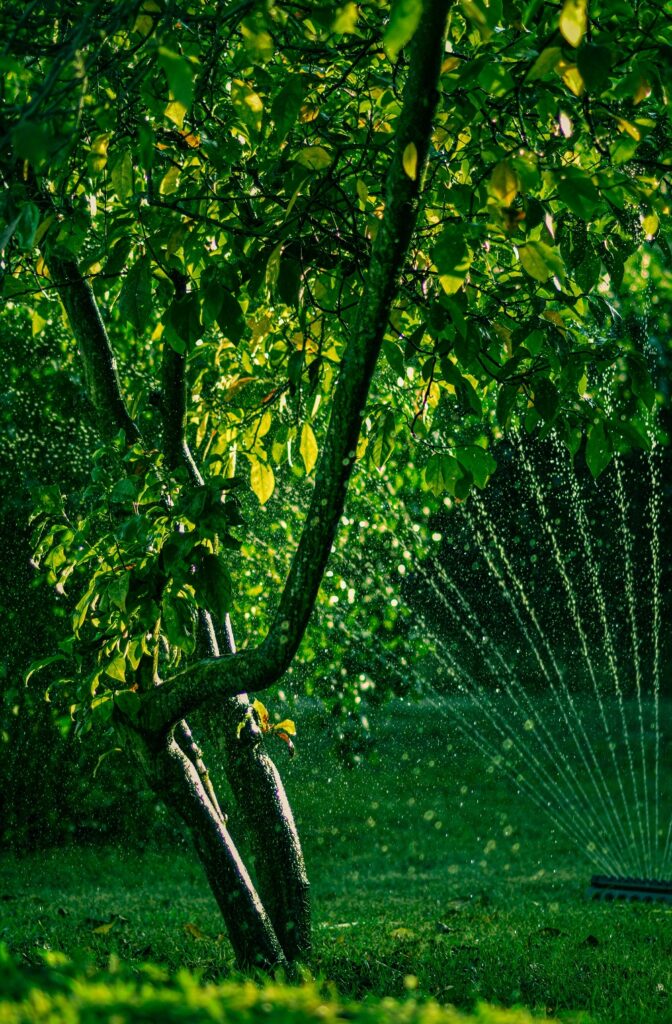
A well-watered lawn is a key component of a healthy and vibrant outdoor space. However, improper watering practices can waste water, lead to shallow root growth, and promote the growth of weeds and diseases. To ensure the optimal health and appearance of your lawn while conserving water, it’s important to follow best practices and employ efficient watering techniques. In this article, we will explore the essential guidelines for watering your lawn, covering topics such as watering frequency, timing, duration, and methods that will help you achieve a lush and sustainable lawn.
1. Understanding Watering Needs
Before diving into watering techniques, it’s crucial to understand your lawn’s watering needs. Factors such as grass type, soil composition, weather conditions, and seasonality play a significant role in determining how much water your lawn requires. Different grass species have varying tolerance levels for drought and different rates of evaporation. Understanding these factors will help you tailor your watering practices accordingly, ensuring that your lawn receives the appropriate amount of water to thrive. It’s essential to strike a balance between providing enough water to sustain healthy growth and avoiding overwatering, which can lead to shallow root systems and increased susceptibility to disease.
2. Watering Frequency
Establishing an appropriate watering frequency is crucial for promoting deep root growth and drought tolerance in your lawn. In general, it is recommended to water less frequently but deeply. This encourages the grass roots to grow deeper into the soil in search of water, resulting in a stronger and more resilient lawn. Aim for watering once or twice a week, depending on the specific needs of your lawn and the prevailing weather conditions. Regularly monitoring the moisture level of your soil can help you determine when it’s time to water. Use a soil moisture meter or simply check the soil’s moisture content by probing it with a screwdriver or your finger.
3. Timing is Key
Timing plays a crucial role in effective lawn watering. Watering during the early morning hours, preferably between 4 a.m. and 10 a.m., is generally considered the optimal time. During this period, temperatures are cooler, and winds are typically calmer, allowing for better water absorption and reduced evaporation. Watering in the early morning also ensures that the grass blades have ample time to dry before evening, reducing the risk of fungal diseases. Avoid watering during the hottest part of the day as the water may evaporate before it can penetrate the soil effectively. Nighttime watering should also be avoided as it can promote fungal growth.
4. Watering Duration and Amount
It’s important to water your lawn deeply, ensuring that the water penetrates the root zone. As a general rule of thumb, aim for approximately 1 inch of water per week, including rainfall. To determine the duration of watering, you can use a simple test by placing empty cans or containers throughout your lawn and measuring the depth of water collected after a watering session. This will help you estimate how long it takes to achieve the desired amount of water. Watering for longer durations but less frequently encourages deep root growth and improves the lawn’s ability to withstand drought conditions.
5. Efficient Watering Techniques
Implementing efficient watering techniques can help you maximize water usage while minimizing waste. Consider using sprinkler systems with built-in timers and moisture sensors to regulate watering and prevent overwatering. Install rain sensors that can automatically pause watering when sufficient rainfall occurs. Another effective technique is to water in cycles or multiple short intervals, allowing the water to soak into the soil before resuming watering. This prevents runoff and ensures better water absorption. Additionally, adjust sprink ler heads and use proper nozzle settings to distribute water evenly and avoid overspray. Watering specific zones separately based on the grass type and sun exposure can also optimize water usage. Implementing these efficient watering techniques will not only conserve water but also promote healthier and more resilient turf.
6. Water Conservation Tips
Conserving water while maintaining a lush lawn is a responsible and sustainable practice. In addition to efficient watering techniques, there are other water conservation tips you can follow. Consider using drought-tolerant grass species that require less water. Aerate your lawn periodically to improve water infiltration and reduce runoff. Apply a layer of organic mulch around trees and shrubs to retain moisture and reduce evaporation. Regularly monitor and repair any leaks or broken sprinkler heads to prevent water wastage. Furthermore, consider capturing rainwater in barrels or installing a rainwater harvesting system to supplement your irrigation needs.
7. Signs of Overwatering and Underwatering
Understanding the signs of overwatering and underwatering is crucial for adjusting your watering practices accordingly. Signs of overwatering include waterlogged soil, soggy areas, excessive runoff, and the presence of mold or fungus. Grass may appear wilted, yellowish, or have slow growth due to shallow root development. Signs of underwatering include dry, brown, or wilted grass, footprints that remain visible, and an overall dull appearance. Adjust your watering schedule and techniques if you notice any of these signs, taking into account the specific needs of your lawn and local weather conditions.
8. Adjusting Watering Practices with Seasonal Changes
Adapting your watering practices to seasonal changes is essential for maintaining a healthy lawn. During cooler seasons or periods of rainfall, you may need to reduce watering frequency. Conversely, during hot and dry periods, you may need to increase watering to meet your lawn’s needs. Additionally, adjusting the watering schedule for newly seeded or sodded areas is important to promote establishment. Pay attention to weather patterns, evaporation rates, and the condition of your lawn to make appropriate adjustments throughout the year.
Watering your lawn using best practices and efficient techniques is crucial for maintaining a healthy, lush, and sustainable outdoor space. By understanding your lawn’s watering needs, implementing proper timing, frequency, and duration, and utilizing efficient watering techniques, you can conserve water, promote deep root growth, prevent diseases, and enhance the overall health and appearance of your lawn. By following these guidelines and adapting to seasonal changes, you can achieve a beautiful and thriving lawn while being mindful of water conservation, making a positive impact on both your property and the environment.
Generated by Chat GPT